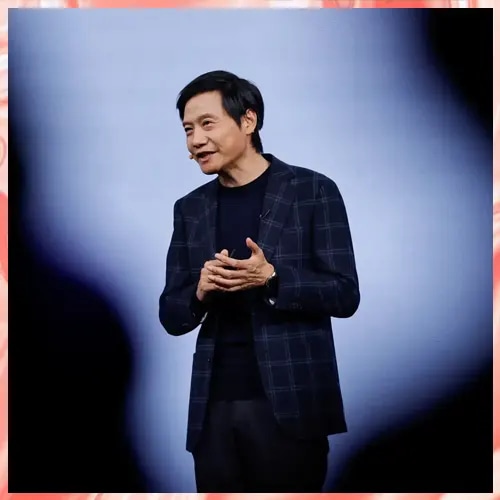
Lei pledged a 200 billion yuan ($28 billion) investment in research and development over five years, aiming to diversify Xiaomi’s product ecosystem and compete with leading players in the automotive and advanced computing industries
Chinese electronics giant Xiaomi marked its 15th anniversary with the unveiling of a new high-performance electric SUV and its first self-developed mobile chip, signalling an ambitious shift beyond smartphones and toward becoming a major player in both the electric vehicle (EV) and semiconductor industries.
At a live-streamed event from Beijing, CEO and founder Lei Jun introduced the YU7, Xiaomi’s upcoming electric SUV. The nearly five-meter vehicle is designed to reach 100 km/h in just 3.23 seconds and offers a range of 760 kilometers on a single charge. If those claims hold true in production, the YU7 would outperform popular models such as Tesla’s Model Y and select offerings from luxury automakers like Porsche. Though official pricing was not announced, Lei confirmed the SUV would launch by July, with pre-orders not yet open.

The event also spotlighted the debut of the Xring O1, a 3-nanometer chip developed by Xiaomi’s in-house semiconductor team. Designed for use in the company's upcoming devices, including the Tablet 7 Ultra, the chip marks Xiaomi’s entry into high-end processor design. While Lei acknowledged that the chip does not yet surpass Apple’s silicon in processing speed, he emphasized it as a major milestone for the company’s growing hardware capabilities.
Xiaomi rebounds with bold vision
These announcements come as Xiaomi attempts to recover from a reputational blow earlier this year. In March, a fatal accident involving its SU7 electric sedan led to increased scrutiny over the company’s autonomous driving technology. That incident reportedly caused a significant drop in consumer orders, casting doubt over the brand’s readiness for large-scale vehicle production. Still, Xiaomi has maintained its target of delivering 350,000 EVs by 2025.
In a broader push for innovation, Lei also pledged an investment of 200 billion yuan (approximately $28 billion) in research and development over the next five years. The initiative reflects Xiaomi’s intention to diversify its product ecosystem and challenge established players in both automotive and advanced computing sectors.
“Xiaomi is far from perfect,” Lei admitted during the presentation, “but I believe our best years are ahead of us.” He called the company’s push into EVs his final major entrepreneurial effort and reaffirmed his vision of Xiaomi as a leader in intelligent technology.
With the YU7 and the Xring O1 chip, Xiaomi appears poised to redefine its place in the global tech landscape.