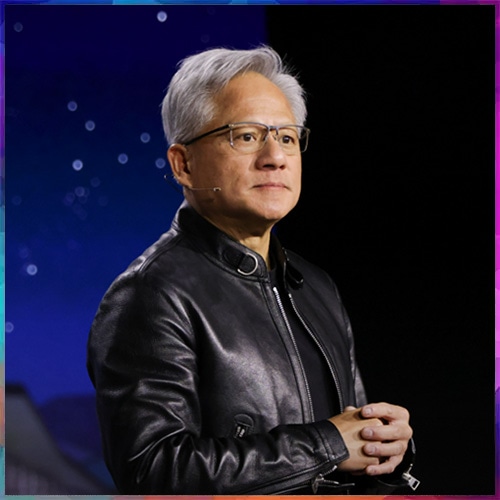
Jensen Huang has resigned as Nvidia’s president and CEO, and from its board, ending a 33-year run at the company he co-founded and turned into the engine of the AI revolution.
Nvidia announced on 12 November that the resignation was effective immediately. Chief Financial Officer Colette Kress will serve as interim CEO while keeping her finance role, and Harvey C. Jones becomes the company’s first-ever board chair.
The board will look at internal and external candidates for a permanent CEO. It said operations, customer commitments and the product roadmap will continue uninterrupted.
The exit follows a turbulent week. Huang admitted to an affair with Alice Huang, a former executive at Megaspeed whom US intelligence suspects of working for China. Reports then linked her to $7.5 billion in chip shipments to China, and a second relationship with a senior employee was alleged.
Investors reacted sharply. Nvidia shares fell 11% at Thursday’s open, pushing its market value below $4 trillion and below Microsoft’s, making it the world’s second-most valuable company.
For Huang personally, the financial picture remains extraordinary. He owned about 870.6 million Nvidia shares as of March, roughly 3.6% of the company, worth more than $100 billion.
He keeps those shares after leaving, along with his voting rights. That leaves him able to influence the company’s future, including by backing board candidates, even from outside.
Analysts note he could also sell shares more freely or borrow against them, which could add to volatility in Nvidia’s stock. His family’s fortune, built almost entirely on Nvidia, will now rise and fall with the company he no longer runs.
His next chapter is uncertain. SpaceX shares reportedly rose about 4% after Elon Musk said it would be “an honour” to hire Huang, but no offer or talks have been confirmed.
Legal clouds also remain. The board’s independent investigation and the reported FBI inquiry are still under way, and their findings could shape both his reputation and his options.
For Nvidia, the challenge is continuity. For Huang, a visionary who defined an era, the question is whether his legacy will be remembered for building the AI age or for how it ended.