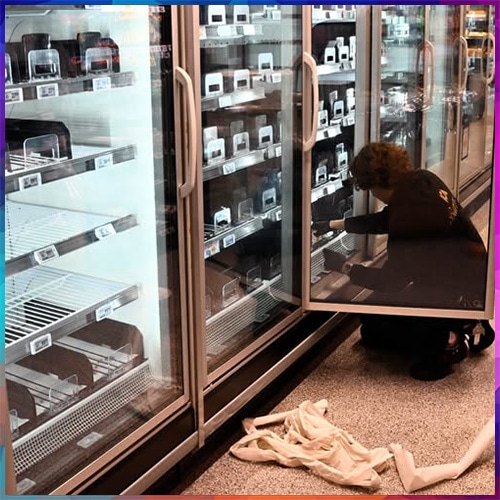
Imagine walking into a supermarket and discovering that thousands of pounds worth of frozen food have spoiled overnight. No power failure, no broken machinery—just hackers remotely manipulating refrigeration systems connected to the internet.
This alarming scenario reportedly became reality across parts of Europe, where cyberattacks disrupted commercial refrigeration systems, threatening food supplies and exposing vulnerabilities in everyday connected infrastructure.
In October, France reportedly suffered a major attack affecting approximately 700 commercial locations. Hackers allegedly manipulated refrigeration temperatures, causing food spoilage and triggering 15 fires. The financial damage reportedly ran into millions of euros.
French intelligence and cybersecurity authorities reportedly attributed the incident to Iran's Revolutionary Guards, raising concerns that even supermarket refrigeration equipment could become a target in geopolitical cyber conflicts.
Britain initially appeared relatively safe because its refrigeration industry relied on different technologies. However, cybersecurity consultants discovered a potentially serious vulnerability in late October, suggesting that British supermarkets, warehouses and restaurants might also be exposed.
Ethical hackers subsequently identified additional weaknesses and alerted security authorities. What followed was reportedly a discreet three-week operation involving cybersecurity specialists, government agencies and affected businesses.
The immediate priority was simple: disconnect vulnerable refrigeration equipment from the public internet before attackers could exploit it. Security teams worked to identify exposed systems, assess vulnerabilities and coordinate protective measures without drawing unnecessary attention.
Britain's National Cyber Security Centre acknowledged supporting a limited number of potentially affected organisations and sharing cybersecurity guidance with the food and retail sectors.
The incident illustrates a growing danger in the Internet of Things ecosystem. Equipment once considered ordinary industrial machinery is increasingly connected to cloud platforms, remote monitoring systems and digital control networks.
A compromised refrigerator is no longer merely a maintenance problem. In large supermarkets, cold-storage warehouses and food distribution networks, a cyberattack could disrupt operations, destroy inventory, threaten food safety and cause significant financial losses.
The bigger warning is clear: cybersecurity is no longer confined to computers, servers and smartphones. From supermarket freezers to hospital equipment and industrial machinery, every connected device can become a potential entry point for attackers.
As businesses embrace automation and smart infrastructure, protecting operational technology must become a strategic priority. Network isolation, secure remote access, timely patching and continuous monitoring are essential to preventing seemingly minor vulnerabilities from becoming major disruptions.
Ultimately, the secret British operation offers an important lesson: the most successful cyber defence is often the attack that never happens.