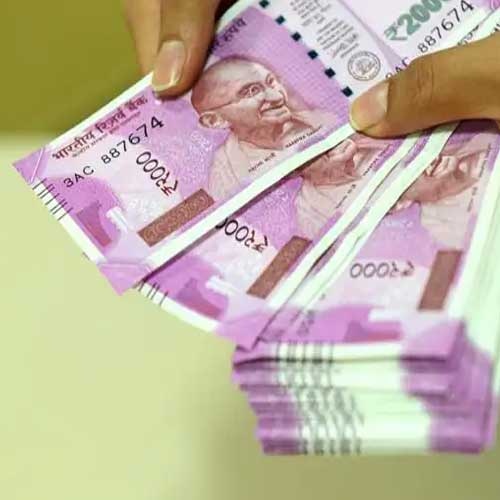
It's true that cash remains a significant part of India's economy and India has traditionally had a significant reliance on cash transactions. Despite the increasing adoption of digital payment methods in recent years, cash remains a prevalent form of payment for many individuals and businesses.
While access to banking services has improved significantly in India, particularly with initiatives like Jan Dhan Yojana, there are still areas with limited banking infrastructure, making cash the primary mode of payment for many individuals.
A report says, India has a sizable informal economy, where cash transactions are prevalent due to factors such as tax evasion, informal employment, and a lack of transparency in business operations. Large segments of the population, especially in rural areas, may have trust issues with digital payment methods due to concerns about security, reliability, and accessibility.
India's economy has been growing steadily over the years, leading to increased economic activity and demand for cash. As economic transactions increase, the demand for currency in circulation also tends to rise.
The cash in circulation has more than doubled between March 2017 and March 2024, despite the withdrawal of Rs 2,000 denomination banknotes from circulation, according to HSBC PMI and CMS cash index.
The Reserve Bank of India’s assessments on currency in circulation highlights that currency demand often tends to be higher during festivals and prior to big elections, or in a year in which the agricultural sector clocks a strong growth as it props cash demand from rural areas, the report noted.
While the CMS cash index stood at 100 in April 2017 and went up to 125.6 in March 2024, the HSBC PMI increased from 100 to 117 in the same period. The cash in circulation increased from Rs 13.35 lakh crore in March 2017 to Rs 35.15 lakh crore at the end of March 2024, according to the report.
Despite the rapid growth of digital infrastructure and internet penetration in India, there is still a digital divide, with many people lacking access to smartphones, internet connectivity, or the necessary digital literacy skills required for digital payments.