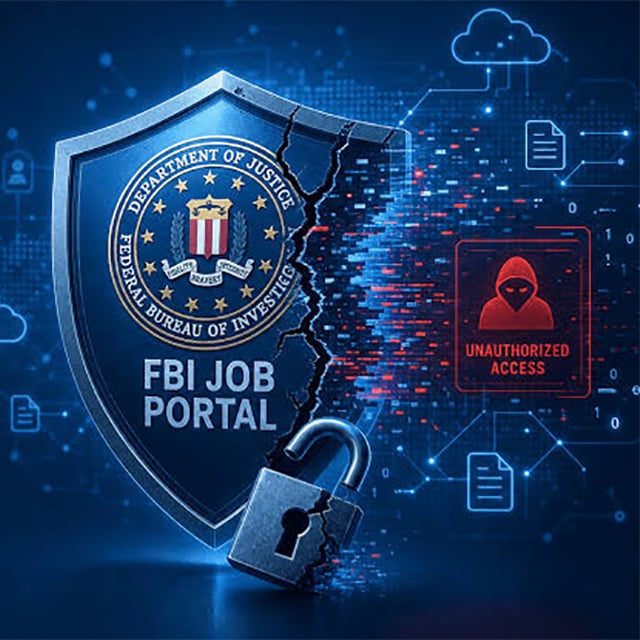

The FBI removed an Accenture contractor on Monday after a breach exposed sensitive personal details of thousands of bureau employees, Reuters reported, citing two sources.
FBI cyber chief Brett Leatherman said the contractor failed to install a security patch issued specifically to protect the platform. Sources identified the breached system as Oracle PeopleSoft and named Accenture as its manager.
The leaked data is alarming. It reportedly included descriptions of named employees' counterintelligence roles, street addresses of human intelligence operatives, and medical and psychiatric records. Some former officials have called it a major blow to the bureau's operational security.
There is one hopeful development. A key suspect linked to the ShinyHunters hacking group was detained in Jordan and is reportedly cooperating, which may help the FBI understand the scope of the damage. Accenture said it remains proud to support the FBI's mission.
The implications reach well beyond one contractor. Exposed operative identities create risks of coercion, blackmail and physical harm that no password reset can undo. The incident also intensifies scrutiny of how government agencies outsource critical systems to IT service giants.
The technology bottlenecks are familiar. Patching large enterprise platforms such as PeopleSoft is slow and laborious, because updates must be tested to avoid disrupting many users. Third-party management adds another layer of blind spots, since agencies often lack real-time visibility into whether vendors have applied fixes.
The lesson is stark: security is only as strong as the weakest link in the supply chain. Continuous patch verification, zero-trust architecture and enforceable vendor accountability are now operational necessities.