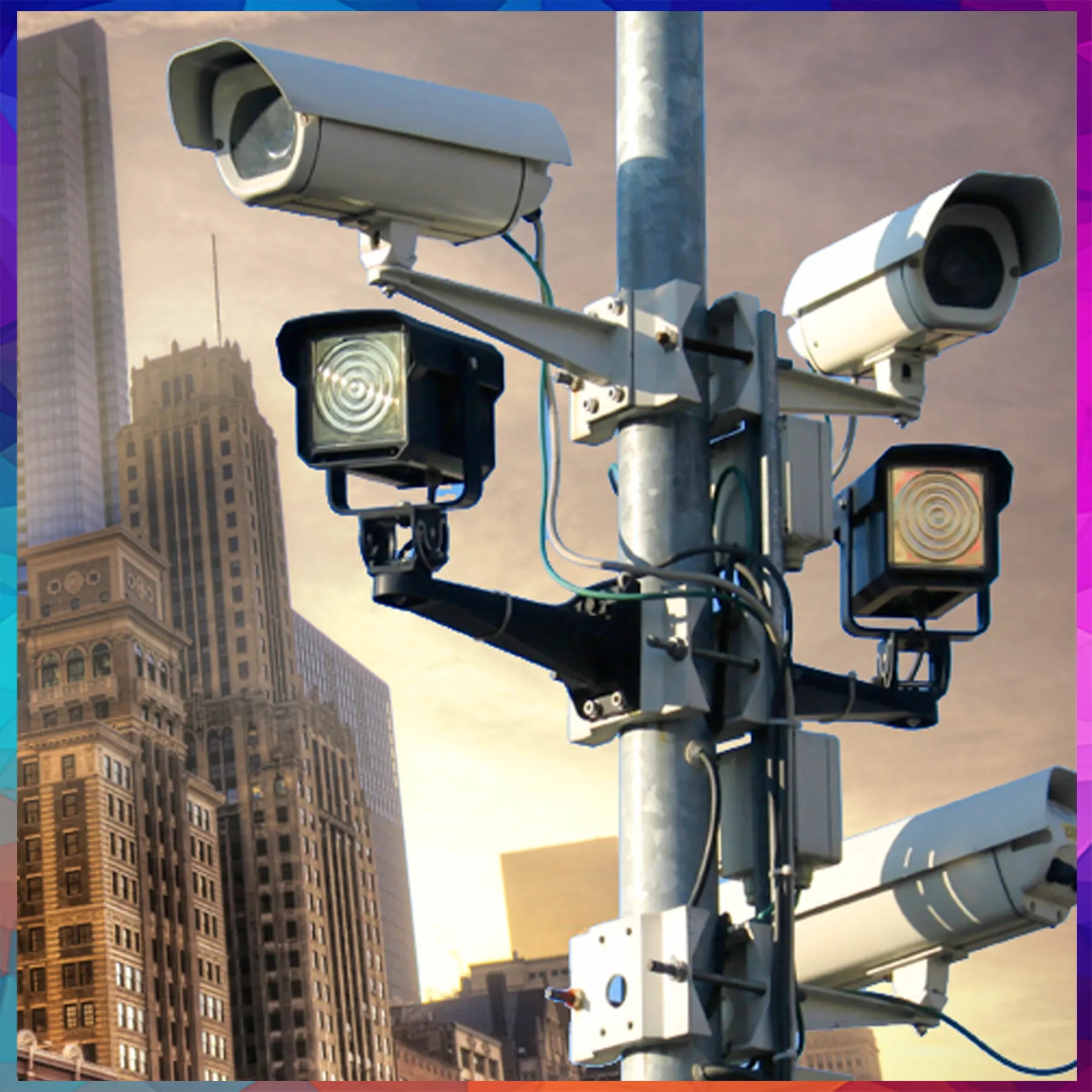
According to a report in the Wall Street Journal, devices installed to protect homes, businesses and public spaces are being turned into espionage tools to monitor troop movements, identify targets and assess damage from attacks. The investigation reported that an estimated 1.2 billion internet-connected cameras worldwide—according to cybersecurity consultancy firms—have become fixtures of everyday life as security systems, doorbells, traffic monitors and baby monitors. Their widespread use allows hackers to exploit devices that may have little or no protection against intrusion.
The report mentions the case of a farm owner in northern Israel, who discovered this when his camera was compromised and used to monitor the movements of Israeli forces along the Lebanon border.
Analysts quoted in the report described the trend as a shift of “civilian surveillance into wartime intelligence collection”, with the proliferation of connected cameras creating a global “soft underbelly” of digital surveillance.
Based on interviews with intelligence agencies, cybersecurity experts, military officials and hackers, the investigation examined the scale and consequences of this practice. It was found that intelligence agencies worldwide routinely scan the internet for vulnerable cameras, systematically testing millions of passwords to gain access.
Artificial intelligence (AI) has made the process easier by allowing algorithms to analyse vast amounts of footage, identify patterns and detect details that might escape the human eye. Hacked cameras are then used for aerial reconnaissance and human intelligence operations, such as identifying targets, tracking military movements and assessing the effects of attacks.
According to the WSJ report, in 2022, Team OneFist, an international hacker group supporting Ukraine, gained control of a camera in Sevastopol, which has been under Russian control since 2014. The group used it to track a Russian military helicopter to a site near a local airport, where it identified a previously unknown Russian air base. It passed the intelligence to Ukrainian forces, which subsequently attacked the base, damaging Russian aircraft and air-defence systems, the report said.