As regulations tighten and penalties grow, businesses are under increasing pressure to implement robust cybersecurity measures to avoid severe financial and reputational damage
The year 2024 marked a turning point in global efforts to enforce data privacy, with regulators in the US and EU issuing record fines against companies failing to protect sensitive information. From tech giants to healthcare providers, businesses across industries faced substantial penalties for negligence, signalling a growing intolerance for data breaches and privacy violations.
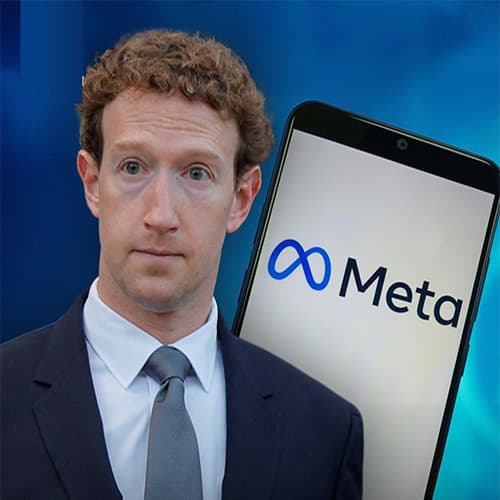
One of the most significant cases involved Meta, which was fined $1.4 billion by the State of Texas for unlawfully collecting biometric data from millions of residents. The penalty, the largest of the year, underscored rising concerns over the misuse of personal data in the United States. Meta also faced a $102 million fine in Ireland for storing user passwords in plaintext, a serious cybersecurity lapse that left accounts vulnerable to unauthorized access.
LinkedIn, the professional networking platform, was penalized $336 million by the Irish Data Protection Commission for breaching the EU's General Data Protection Regulation (GDPR). The company was found to have processed third-party data without user consent, using it for targeted advertising in violation of GDPR standards.
Uber was fined $324 million in the Netherlands for failing to secure sensitive driver information, including personal identification and financial details. Regulators found the company had transferred the data to US servers without adequate protections, breaching international privacy laws.
The hospitality industry was also under scrutiny. Marriott agreed to a $52 million settlement with all 50 US states after a years-long data breach exposed the personal information of 131 million guests. The incident revealed persistent vulnerabilities in the hotel chain’s cybersecurity systems.
In the healthcare sector, Lehigh Valley Health Network paid $65 million to settle claims related to a cyberattack that exposed sensitive medical records and photographs. The breach highlighted the heightened risks associated with storing patient data online.
Biotech firm 23andMe reached a $30 million settlement after a genetic data leak affected over six million individuals. The breach raised concerns about the unique risks posed by cyberattacks on genetic information.
T-Mobile and AT&T also faced fines for repeated data breaches. T-Mobile paid $15.75 million in a settlement with the FCC, while AT&T was fined $13 million for a cloud data breach that exposed customer information.
These cases reflect a growing global focus on holding companies accountable for data protection. As regulations tighten and penalties grow, businesses are under increasing pressure to implement robust cybersecurity measures to avoid severe financial and reputational damage.