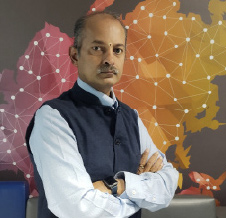
The Adani Group has announced a major expansion of its aerospace and defence portfolio with the acquisition of Flight Simulation Technique Centre (FSTC), India’s largest pilot-training company. Valued at ₹820 crore, the deal gives Adani Defence Systems & Technologies Ltd. (ADSTL) and Horizon Aero Solutions (HAS) a combined 73% stake, with the remaining 27% retained by the original promoters.
ADSTL, along with Prime Aero Services LLP, has completed the purchase of a majority stake in FSTC, a leading provider of flight training and simulation services in India. The acquisition integrates FSTC’s pilot-training, simulator operations, and flying-school infrastructure into Adani’s expanding aviation services ecosystem.
FSTC brings significant assets, including 11 full-flight simulators, 17 training aircraft, and operational flying schools across Gurugram, Hyderabad, Bhiwani, and Narnaul. Its certifications from the DGCA and the European Union Aviation Safety Agency (EASA) give it a strong position to serve both Indian and international airlines.
These regulatory approvals allow FSTC to cater to commercial carriers, global airlines, and defence clients. This broad service capability aligns with Adani’s ambition to build a complete aviation services platform.
With this acquisition, Adani aims to expand across the aviation value chain—from maintenance and repair operations (MRO) to simulator-based training and potentially defence simulation and mission-rehearsal services.
India’s aviation boom strengthens the logic behind the deal. The country is expected to add 1,500+ new aircraft, creating huge demand for skilled pilots and advanced training facilities. Defence aviation is also seeking enhanced simulation capacity.
Integrating FSTC will give Adani access to recurring revenue streams such as training fees, simulator rentals, long-term contracts, and flying-school operations. These provide stable cash flows compared to cyclical aviation manufacturing or MRO orders.
FSTC’s dual certification under DGCA and EASA gives it an edge in attracting foreign airlines and Indian carriers flying overseas, improving simulator utilisation and profitability.
However, the acquisition’s success will depend on execution—expanding training capacity, managing maintenance costs, ensuring regulatory compliance, and scaling simulator and flying-school infrastructure.
For investors, key indicators will include utilisation rates, contract diversification between civil and defence clients, and margin improvements driven by efficient use of high-cost aviation training assets.

See What’s Next in Tech With the Fast Forward Newsletter









Tweets From @varindiamag
Nothing to see here - yet
When they Tweet, their Tweets will show up here.