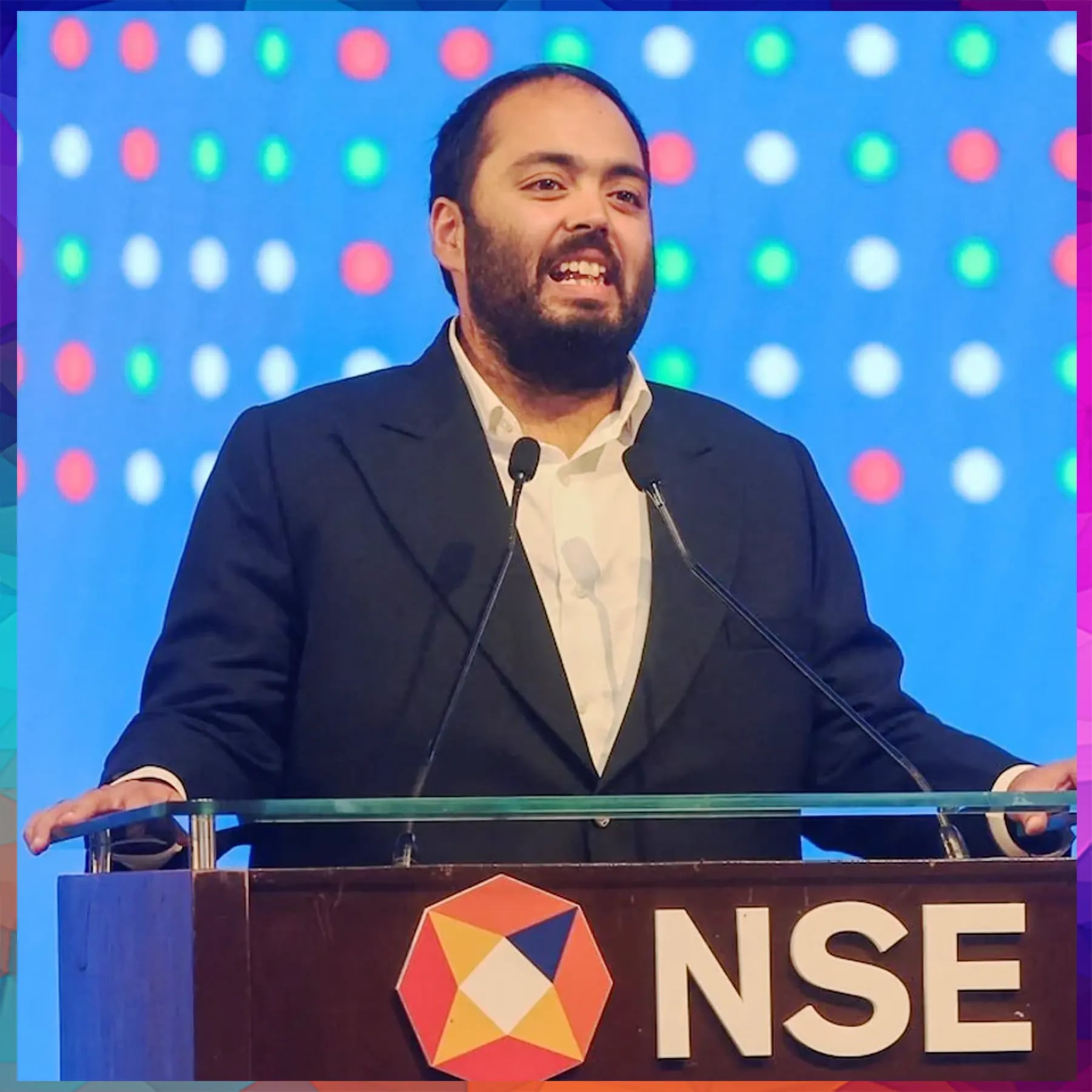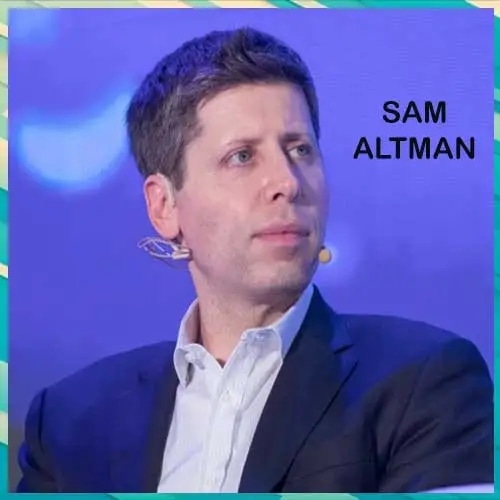
Sam Altman, speaking on Theo Von’s podcast This Past Weekend, revealed that users frequently confide personal matters to ChatGPT, yet those exchanges lack the legal protections typically associated with medical, legal, or therapeutic conversations
OpenAI CEO Sam Altman has cautioned users against treating ChatGPT like a therapist or legal advisor, revealing that current privacy protections for AI conversations do not match those provided in professional settings like healthcare or law.
Speaking on comedian Theo Von’s podcast This Past Weekend, Altman acknowledged that users—particularly younger ones—often turn to ChatGPT for personal advice on relationships, mental health, and life decisions. However, unlike conversations with doctors or lawyers, those with AI do not benefit from legal privilege or confidentiality.
“People share very personal things with ChatGPT,” Altman said. “But if a court demands those records, we would be legally required to provide them. That’s something the industry hasn’t resolved yet.”
OpenAI faces data privacy scrutiny
Altman’s comments come as OpenAI faces legal scrutiny in an ongoing lawsuit filed by The New York Times. Plaintiffs in the case have requested that OpenAI retain all user conversations—deleted or not—for potential evidence. OpenAI has rejected the request, calling it excessive and warning it could set a dangerous precedent for future legal demands.
Currently, OpenAI states that user conversations on ChatGPT Free, Plus, and Pro accounts are deleted within 30 days unless there is a legal or security reason to retain them. However, conversations are not end-to-end encrypted, and OpenAI staff can access them to improve model performance and monitor for misuse.
This level of access has raised privacy concerns, especially as public awareness of data security grows. In the wake of the U.S. Supreme Court’s reversal of Roe v. Wade, many users began moving away from unencrypted apps toward privacy-first platforms.
Altman concluded by emphasizing the need for stronger privacy frameworks. “We should aim for the same privacy standards for AI as we have for therapists or doctors,” he said. “But we’re not there yet.”