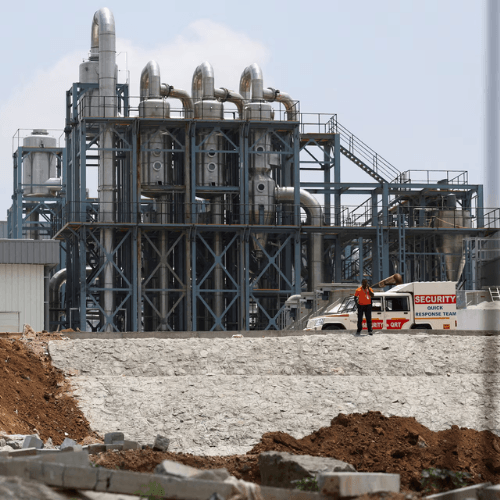
Three contract workers have died at Tata Electronics’ iPhone components plant in Hosur, Tamil Nadu, after suspected exposure to toxic gas while servicing an effluent-treatment tank.
The workers, aged 25, 28 and 32, were inspecting an external nano-filtration feed tank at the plant in Vanniyapuram, near Uddanapalli in Krishnagiri district.
Preliminary reports say one worker opened the tank’s lid and collapsed after apparently inhaling gas. Two colleagues who were then exposed also collapsed. Police suspect asphyxiation, though post-mortem results are awaited.
Tamil Nadu authorities have opened an investigation, and Tata Electronics and Apple have launched separate inquiries.
The effluent-treatment plant is run by Nalco Water, a subsidiary of US-based Ecolab. Investigators will examine gas detection, ventilation, confined-space entry procedures, rescue arrangements and contractor supervision.
Tamil Nadu’s Industries Minister said worker safety and dignity must remain paramount. Apple’s inquiry underlines the importance of credible labour and safety standards across its global supply chain.
Production was not affected, because the plant, which makes iPhone casings and other components, was already closed for Deepavali.
But a prolonged shutdown, regulatory action or damage to its reputation could set back Apple’s strategy of expanding manufacturing in India beyond China.
The tragedy follows earlier troubles at the site. A fire in a chemical-storage area disrupted production in September 2024. In June 2026, the state Pollution Control Board warned of possible closure over alleged wastewater contamination of nearby wells, which Tata says independent tests disproved.
The first priority now is to establish the exact cause of death and whether safety rules were broken.
India’s ambition to become a global electronics hub cannot rest on investment and capacity alone. It demands rigorous safety enforcement, strong oversight of contractors and zero tolerance for preventable deaths.