Collaborating with global manufacturers and fostering public-private partnerships can help bridge gaps in expertise, technology, and infrastructure.
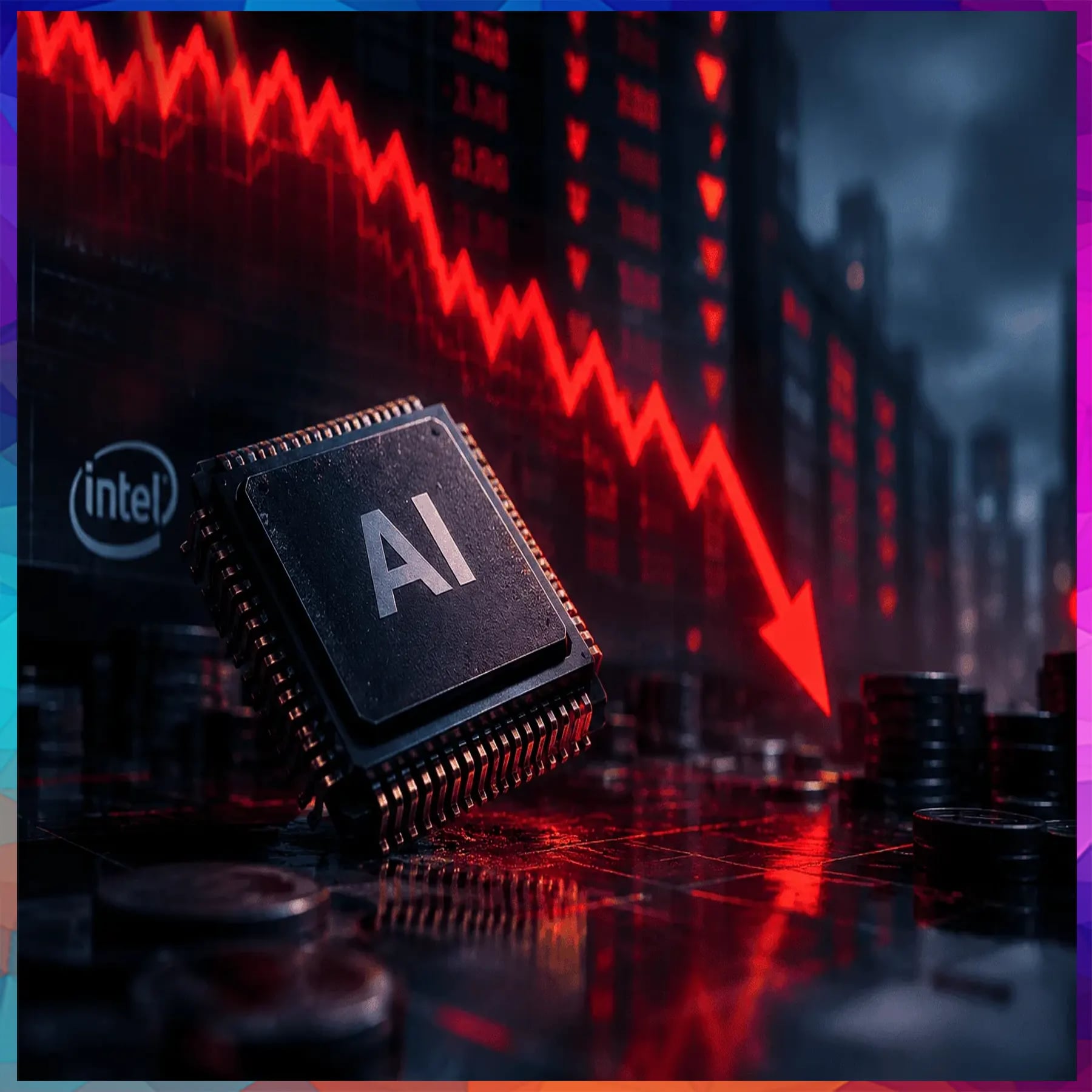
Despite the Indian government’s ambitious plans to boost local IT hardware manufacturing through the Production Linked Incentive (PLI) 2.0 scheme, the response from investors remains subdued. As of now, investments under the scheme have reached only ₹500 crore, which is significantly lower than expected. This raises concerns about the effectiveness of the scheme in achieving its intended goals of reducing dependency on imports, fostering a robust domestic manufacturing ecosystem, and making India a global hub for electronics production.
Launched in May 2023, the PLI 2.0 scheme for IT hardware aims to provide financial incentives to domestic and international manufacturers for producing laptops, tablets, all-in-one PCs, servers, and other related hardware components in India. With a budgetary allocation of ₹17,000 crore, the scheme is designed to attract investments worth ₹2,430 crore over the next six years and generate employment for approximately 75,000 people.
PLI 2.0 was introduced after the limited success of the first phase of the PLI scheme for IT hardware, which faced challenges such as a lack of participation from global players and a limited scale of domestic production. The government revised the incentives under PLI 2.0 to make the program more attractive by increasing the base incentives and offering additional benefits for higher production volumes.
The Manufacturers’ Association for Information Technology (MAIT), which had initially hailed PLI 2.0 as a transformative initiative, declined to comment on the low investment figures. Despite the revisions, the scheme has so far failed to generate the desired traction among manufacturers. Global Economic Uncertainty, Dependency on Imports, Complex Regulatory Landscape, Lack of Ecosystem Development and Competition from Other Nations have contributed to this slow growth.
To accelerate investments and achieve the goals of PLI 2.0, we must develop ancillary industries, such as component manufacturing and semiconductor fabrication, will create a more supportive ecosystem for IT hardware production. Also, simplifying regulatory processes and ensuring consistency in policy implementation will improve investor confidence. Last but not the least, promoting research and development in IT hardware technologies will enable India to move up the value chain and become a global leader in innovation.
While the PLI 2.0 scheme for IT hardware has made strides in attracting some investment, the current figure of ₹500 crore is a stark reminder of the challenges that lie ahead. To unlock the full potential of the program, the government and stakeholders must work together to address systemic issues and create a more conducive environment for manufacturing. Only then can India realize its vision of becoming a global hub for IT hardware production and reduce its reliance on imports.
While the PLI 2.0 scheme for IT hardware has made strides in attracting some investment, the current figure of ₹500 crore is a stark reminder of the challenges that lie ahead. To unlock the full potential of the program, the government and stakeholders must work together to address systemic issues and create a more conducive environment for manufacturing. Only then can India realize its vision of becoming a global hub for IT hardware production and reduce its reliance on imports.