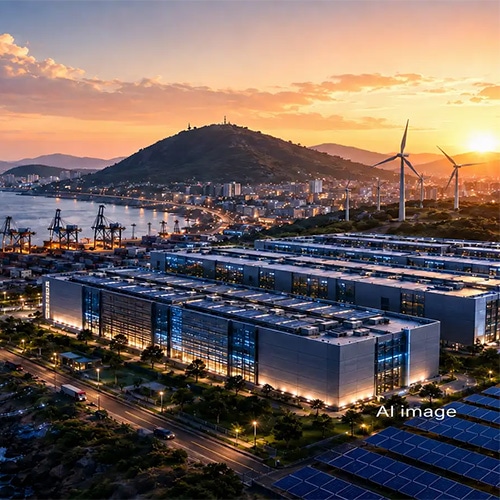
India's ambition to emerge as a global artificial intelligence powerhouse is driving massive investments in hyperscale data centres across Visakhapatnam, Mumbai and other technology hubs. However, growing environmental concerns and public resistance raise a fundamental question: Is India prioritising AI infrastructure expansion over citizens' health, environmental sustainability and community welfare?
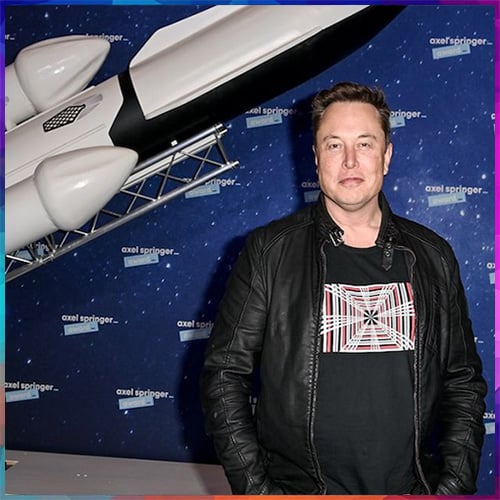
The controversy surrounding Elon Musk's AI infrastructure in Mississippi offers a warning. Residents have complained about relentless industrial noise, vibrations and pollution from nearby power facilities. Reports of offers to purchase hundreds of homes, subject to legal conditions, demonstrate how unchecked infrastructure expansion can create serious tensions between corporations and communities.
Critical Shortfalls in India’s
-
Environmental Risks: Rising no
ise, emissions and ecological concerns. -
Health Hazards: Industrial noi
se and pollution threaten publ ic well-being. -
Limited Public Consultation: C
ommunities lack meaningful par ticipation in project decision s. -
Resource Strain: Growing press
ure on electricity, water and urban infrastructure. -
Weak Accountability: Inadequat
e monitoring, transparency and regulatory enforcement.
India could face similar challenges as hyperscalers accelerate their investments. AI data centres require enormous electricity supplies, sophisticated cooling infrastructure, backup generators and extensive land resources. Continuous equipment noise, diesel emissions and pressure on water supplies could create significant environmental and public health risks, particularly near residential neighbourhoods.
In Visakhapatnam, Google's proposed AI infrastructure promises economic growth, employment and digital innovation. However, concerns about coastal ecology, electricity demand and environmental sustainability require independent scrutiny. Similarly, around Mumbai, particularly Thane, residents have raised objections to data centre developments, highlighting fears about pollution, infrastructure pressure and neighbourhood disruption.
Although Maharashtra has reportedly established an expert review committee, broader questions remain about regulatory transparency, public consultation and environmental accountability. Government authorities must demonstrate that economic incentives and investment commitments do not overshadow citizens' fundamental right to a healthy environment.
India urgently needs stronger environmental governance for hyperscale infrastructure. Mandatory noise assessments, transparent energy and water disclosures, independent pollution monitoring and meaningful community participation should become integral to project approvals. Corporate sustainability commitments must be supported by measurable performance and enforceable safeguards.
Ultimately, India's AI leadership cannot be measured merely by investment announcements, GPU capacity or data centre expansion. True technological progress must balance innovation with environmental justice, public health and social responsibility. India cannot build a digital future by compromising the well-being of the communities that sustain it.