

Breaking News
Analysts suggest WhatsApp, used by over 70% of Russians, may soon be banned to push citizens toward Max.
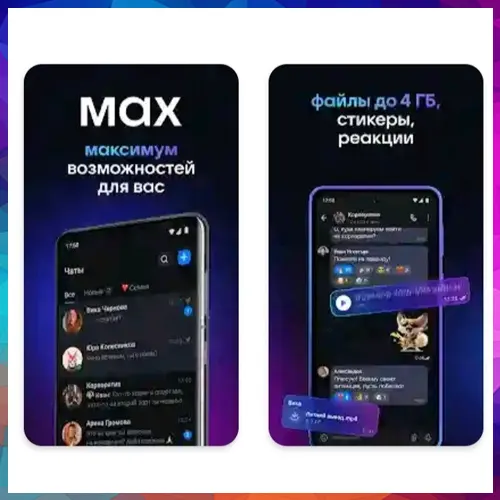
Russia has introduced a new messaging app called ‘Max,’ which will be pre-installed on all smartphones and devices sold in the country starting September 2025. Developed under the directive of President Vladimir Putin, the app aims to integrate multiple features, including instant messaging, video calls, access to government services, and mobile payment solutions, positioning itself as an all-in-one communication and service platform.
However, cybersecurity experts are raising alarms over the app’s potential as a state surveillance tool. With servers hosted domestically, Max will be subject to Russian laws that grant the Federal Security Service (FSB) extensive access to user data. Experts believe this could lead to a rigid state-run monitoring system, enabling authorities to track communications and transactions of Russian citizens with unprecedented precision.
The launch of Max also signals a possible ban on WhatsApp in Russia, as analysts suggest the government will push citizens toward adopting its homegrown platform. Currently, over 70% of Russians use WhatsApp for daily communication, but this dominance may end as Moscow prioritizes digital sovereignty and tighter control over information flow.
By merging communication tools with government services, Max reflects Russia’s broader strategy to create a self-reliant digital ecosystem. However, critics argue this move sacrifices user privacy in exchange for convenience and centralized access.
This development comes amid global concerns about digital surveillance, data privacy, and freedom of communication, making Max’s rollout one of the most controversial tech initiatives of 2025. With its combination of messaging, financial services, and government integration, Max could reshape how Russians interact online — but at the cost of greater state oversight and reduced reliance on Western platforms.
However, cybersecurity experts are raising alarms over the app’s potential as a state surveillance tool. With servers hosted domestically, Max will be subject to Russian laws that grant the Federal Security Service (FSB) extensive access to user data. Experts believe this could lead to a rigid state-run monitoring system, enabling authorities to track communications and transactions of Russian citizens with unprecedented precision.
The launch of Max also signals a possible ban on WhatsApp in Russia, as analysts suggest the government will push citizens toward adopting its homegrown platform. Currently, over 70% of Russians use WhatsApp for daily communication, but this dominance may end as Moscow prioritizes digital sovereignty and tighter control over information flow.
By merging communication tools with government services, Max reflects Russia’s broader strategy to create a self-reliant digital ecosystem. However, critics argue this move sacrifices user privacy in exchange for convenience and centralized access.
This development comes amid global concerns about digital surveillance, data privacy, and freedom of communication, making Max’s rollout one of the most controversial tech initiatives of 2025. With its combination of messaging, financial services, and government integration, Max could reshape how Russians interact online — but at the cost of greater state oversight and reduced reliance on Western platforms.

See What’s Next in Tech With the Fast Forward Newsletter









Tweets From @varindiamag
Nothing to see here - yet
When they Tweet, their Tweets will show up here.