A drug developed by the Defence Research and Development Organisation for treating COVD-19 had been granted emergency approval by the Drugs Controller General of India. The drug 2-deoxy-D-glucose (2-DG) developed by Institute of Nuclear Medicine and Allied Sciences (INMAS), a lab of Defence Research and Development Organisation (DRDO), in collaboration with Dr. Reddy’s Laboratories (DRL), Hyderabad, is to be used as adjunct therapy - that is, in addition to the primary treatment - for moderate to severe cases of COVID-19.
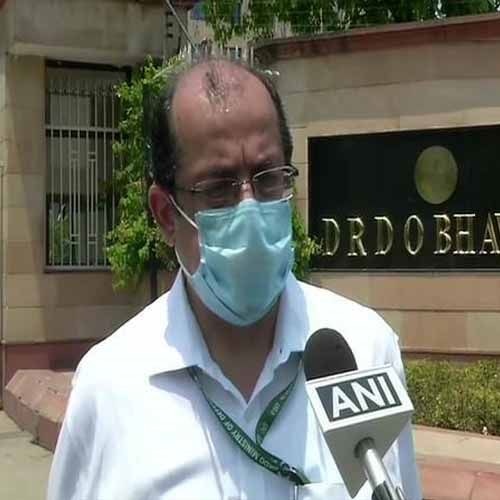
DRDO Project Director and Scientist of 2-DG, Dr Sudhir Chandana explains how anti-Covid-19 therapeutic application of the drug will work on patients.
Dr Sudhir Chandana: We started working on 2 DG when the first wave of Covid-19 hit India in April 2020. We found that the drug stops the spread of coronavirus inside the body cells. After the findings, we asked the DCGI for permission to conduct clinical trials. In May 2020, we got permission for the clinical trials. By the end of October 2020 we had completed the second phase of trials, and the results were very good. Using standard care, the 2 DG will be more beneficial for the Covid-19 patients.
2-DG is based on a generic molecule, which means it is not covered by patents and any company or production facility can take up its manufacture. Available in the form of a powder which is to be had dissolved in water, the drug accumulates in virus-infected cells and prevents virus growth. While results of the Phase 3 clinical trials of the drug is yet to be available, phase 2 results showed that for patients who took this drug, the median time taken to normalise key vital signs was lower by 2.5 days. The patients who were part of the trial reduced the dependence on supplemental oxygens by the third day too, which is good news for the country which is facing critical oxygen shortage.
Dr Sudhir Chandana said, our trials were conducted on moderate and serious covid patients who were admitted to hospitals. All the patients benefitted, and no side effects were found. So it’s a safe medicine. In the phase two trials, we found that the recovery rate of the patients was higher and in the third phase, we observed reduced dependence on supplemental oxygen.
The hope that the quick and cheap availability of this indigenously developed drug could reduce the suffering of patients and ease the oxygen demand is what makes this story important.