Internet of Things (IoT) platform, which connects physical assets for monitoring, optimization, control and monetization. Capabilities include connectivity, analytics and integration to core and operational technology systems.Â
Ecosystems platform, which supports the creation of, and connection to, external ecosystems, marketplaces and communities; API management, control and security are its main elements.Â
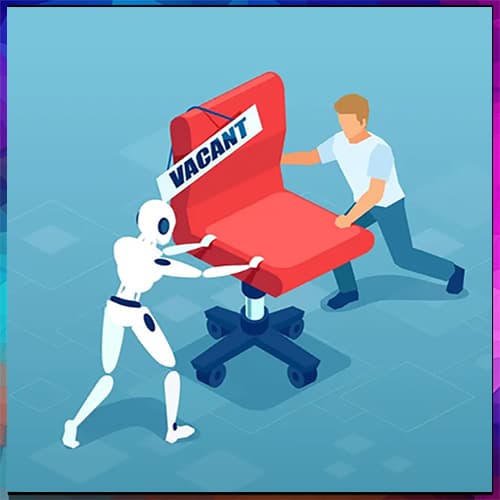
In parallel, AI has advanced dramatically during the past year. When enhanced with "machine learning" through the application of capabilities such as deep neural networks, AI is starting to outperform humans in some areas. Algorithms, AI, bots and smart Digital disruptors such as algorithms, artificial intelligence (AI), bots and chatbots are already transforming businesses and will demand a new approach to IT says Gartner.
Gartner expects that algorithmic business will create even greater levels of disruption and new industries. To support the new capabilities and business models of digital and algorithmic business, CIOs must design and deploy their digital business technology platform.Â
"Fueled by data, analytics and AI, algorithmic business will continue to grow and disrupt your business," said Steve Prentice, vice president and Gartner Fellow. Â
More than 500,000 new devices connect to the Internet every hour, and every one of them simply adds to the inevitable growth of data.Â
"Applied to huge datasets, algorithms allow highly accurate, personalized offerings, which in turn can drive revenue and differentiation,†said Steve Prentice. Â
Digital Business Platforms
Information systems platform, which supports the back office, and operations such as enterprise resource planning and core systems.Â
Customer experience platform, which contains the main customer-facing elements, such as customer and citizen portals, multichannel commerce and customer apps.Â
Data and analytics platform, which contains information management and analytical capabilities. Data management programs and analytical applications fuel data-driven decision making, and algorithms automate discovery and action.Â
things will dominate business interactions during the next few years. Â
AI and bots currently allow platforms to gain a voice, while algorithms and AI will deliver the intelligence to empower a new generation of robots, cobots and drones and self-driving vehicles. Â
"CEOs must ensure their CIOs are actively engaged in embracing those new business opportunities," said Prentice.Â
The pace of digital disruption demands a new approach to IT. "CIOs must build their digital business technology platform to support the development of digital business," said Prentice.