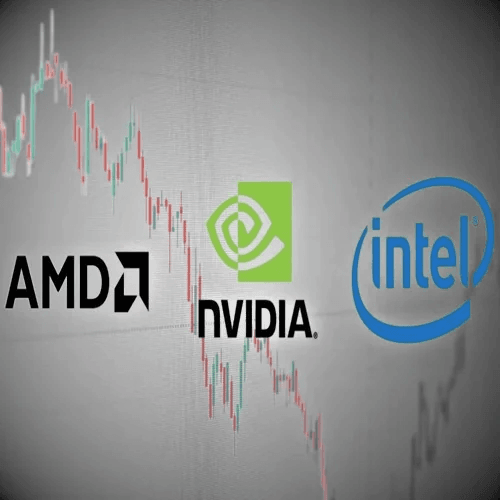
Advanced Micro Devices is facing fresh questions about its connections with Chinese companies subject to US export restrictions, following an investigative report by Hunterbrook.
The allegations place one of America’s leading chipmakers at the center of an intensifying debate over how technology flows between the world’s two largest economies.
At the heart of the controversy is firmware. Hunterbrook alleges that IEIT Systems, a Chinese server maker placed on a US trade blacklist, continued using updated AMD firmware.
Firmware updates matter because they keep hardware secure, stable and functional. Continued access could suggest that restricted entities still benefit from US-designed technology despite formal controls.
The report also scrutinizes third-party relationships. Maginfra, Kaytus and Aivres have drawn attention over reported corporate and technology links that may connect them to restricted parties.
Such networks illustrate a persistent challenge for regulators: products and support can reach blacklisted firms indirectly, through affiliates, distributors or newly created entities.
For AMD, the issue is not only legal but reputational. Even unproven claims can raise doubts about how closely a company monitors its downstream customers.
Markets reacted quickly. AMD shares declined following the report, underscoring how sensitive investors have become to geopolitical risk in the semiconductor industry.
Chipmakers already operate under tightening US export rules, and any suggestion of compliance gaps can threaten revenue, partnerships and regulatory goodwill.
AMD has denied any wrongdoing. Its response signals confidence in its compliance processes, though the company may still face pressure to explain its safeguards in detail.
Regulators could examine whether firmware distribution, licensing and customer screening met legal requirements, particularly where indirect relationships are involved.
The episode highlights a broader industry lesson: export-control compliance extends beyond initial sales to software updates, technical support and the entire supply chain.
Ultimately, supply-chain transparency will decide whether AMD can fully restore investor confidence.