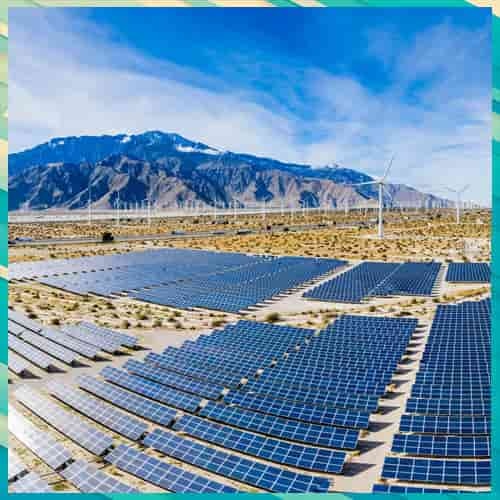
The International Energy Agency (IEA) in a new report forecasts that India is expected to add 121 gigawatts (GW) of electricity to its current capacity from clean energy sources by 2026. The agency predicted an 86 per cent jump from its current capacity of 154.9 GW. The report indicated that renewable energy could account for nearly 95 per cent of the increase in power capacity in the world in the next five years.
The capacity to generate electricity from solar, wind and other renewable technologies is on course to accelerate over the coming years, with 2021 expected to set a new all-time record for new installations, the report said, taking into account a 44 per cent drop in renewable installations in 2020 in India due to Covid-19 led lockdown and supply chain disruptions.
IEA Executive Director Fatih Birol said in a statement, “The growth of renewables in India is outstanding, supporting the government’s newly announced goal of reaching 500 GW of renewable power capacity by 2030 and highlighting India’s broader potential to accelerate its clean energy transition,”.
The report forecasted a jump of 16 per cent in power production from wind and hydropower while solar remains the powerhouse of growth in renewable electricity, with its capacity additions forecast to increase by 17 per cent in 2021 to a new record of almost 160 GW.
The report also highlighted the critical challenge facing the distribution companies (DISCOMs) in India, stating, "The government’s financial aid in 2020 put overdue payments on a downward trend in Q1 2021, improving the companies’ finances. Following the second wave of restrictions, their total overdue payments started to rise again in Q2 2021. As a result, they are postponing the finalisation of wind and solar PV PPAs while seeking to renegotiate downwards the contract prices already awarded in competitive tenders."