Breaking News
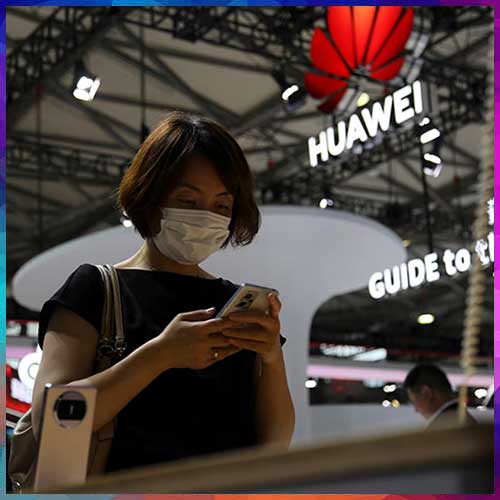
China's smartphone sales fell 13% year over year during this year's 618 shopping festival, as handset makers scaled back discounts to offset rising memory chip costs, according to Counterpoint Research.
The research firm said smartphone sales declined between May 26 and June 21, with every major Chinese brand except Huawei recording double-digit declines as weaker promotional activity weighed on consumer demand.
Honor posted the sharpest decline, with sales falling 33%, followed by Xiaomi at 24%. Apple's sales also declined 9% during the festival despite aggressive promotional campaigns that helped it climb to the No. 2 position in the market.
According to Counterpoint, higher prices for memory components—driven by growing demand from AI infrastructure and data centres—have increased smartphone manufacturing costs this year, leaving vendors with less flexibility to offer deep discounts during China's biggest online shopping event.
"Some older and newer models from Chinese smartphone brands were priced higher than comparable models a year earlier, while discounts during this year's 618 festival were generally less aggressive, both in terms of the size of price cuts and the range of products covered," said Ivan Lam, senior analyst at Counterpoint Research.
"Apple's prices were broadly unchanged, but its discounts were also smaller," he added.
Huawei emerged as the only major smartphone vendor to grow during the festival, posting 19% year-over-year sales growth and capturing 21% market share, according to the research firm.
Counterpoint attributed Huawei's performance to strong demand for its Enjoy 90 Pro Max and Mate 80 smartphones, supported by promotional offers.
Apple improved its market ranking after launching promotional offers about a month ahead of June 18. The company offered discounts of up to 2,000 yuan (about $295) on the iPhone 17 Pro lineup through a combination of official price cuts, e-commerce platform subsidies and trade-in offers.
However, Counterpoint noted that Apple's overall sales still declined because discounts on the iPhone 16 series during last year's festival had been significantly more aggressive.
The 618 shopping festival, originally launched by JD.com to mark its founding on June 18, has evolved into a month-long e-commerce event involving all major online retail platforms.
In recent years, however, the event has lost some of its momentum as extended promotional periods and weaker consumer sentiment have reduced the urgency to make purchases during the festival.
Counterpoint said the 618 campaign helped smartphone sales recover in June compared with the previous month, but warned that the market is expected to enter its seasonal slowdown after the festival.
The research firm expects double-digit shipment declines for China's smartphone market over the full year as vendors continue to grapple with softer consumer demand and higher component costs.
The research firm said smartphone sales declined between May 26 and June 21, with every major Chinese brand except Huawei recording double-digit declines as weaker promotional activity weighed on consumer demand.
Honor posted the sharpest decline, with sales falling 33%, followed by Xiaomi at 24%. Apple's sales also declined 9% during the festival despite aggressive promotional campaigns that helped it climb to the No. 2 position in the market.
According to Counterpoint, higher prices for memory components—driven by growing demand from AI infrastructure and data centres—have increased smartphone manufacturing costs this year, leaving vendors with less flexibility to offer deep discounts during China's biggest online shopping event.
"Some older and newer models from Chinese smartphone brands were priced higher than comparable models a year earlier, while discounts during this year's 618 festival were generally less aggressive, both in terms of the size of price cuts and the range of products covered," said Ivan Lam, senior analyst at Counterpoint Research.
"Apple's prices were broadly unchanged, but its discounts were also smaller," he added.
Huawei emerged as the only major smartphone vendor to grow during the festival, posting 19% year-over-year sales growth and capturing 21% market share, according to the research firm.
Counterpoint attributed Huawei's performance to strong demand for its Enjoy 90 Pro Max and Mate 80 smartphones, supported by promotional offers.
Apple improved its market ranking after launching promotional offers about a month ahead of June 18. The company offered discounts of up to 2,000 yuan (about $295) on the iPhone 17 Pro lineup through a combination of official price cuts, e-commerce platform subsidies and trade-in offers.
However, Counterpoint noted that Apple's overall sales still declined because discounts on the iPhone 16 series during last year's festival had been significantly more aggressive.
The 618 shopping festival, originally launched by JD.com to mark its founding on June 18, has evolved into a month-long e-commerce event involving all major online retail platforms.
In recent years, however, the event has lost some of its momentum as extended promotional periods and weaker consumer sentiment have reduced the urgency to make purchases during the festival.
Counterpoint said the 618 campaign helped smartphone sales recover in June compared with the previous month, but warned that the market is expected to enter its seasonal slowdown after the festival.
The research firm expects double-digit shipment declines for China's smartphone market over the full year as vendors continue to grapple with softer consumer demand and higher component costs.

See What’s Next in Tech With the Fast Forward Newsletter






Tweets From @varindiamag
Nothing to see here - yet
When they Tweet, their Tweets will show up here.