Apple has increased prices for several iPad and MacBook models, saying it can no longer absorb rising memory and storage chip costs driven by booming demand for AI infrastructure.
The price increases, announced Thursday, affect iPads, MacBooks, HomePod smart speakers and Apple TV streaming devices, but do not include the iPhone, the company's biggest revenue-generating product.
Apple said the surge in memory prices has been fueled by chipmakers prioritizing supplies for AI data center deployments, leaving less capacity for consumer electronics manufacturers.
"We have never seen a component price increase this much, this quickly," the company said in a statement. "We have shielded our customers from these increases so far, but we have now reached a point where we need to begin raising prices on a number of products, including today's increases for iPad and Mac."
Among the changes, the starting price of Apple's Neo laptop has increased from $599 to $699, while the MacBook Air with 512GB of storage now starts at $1,299, up from $1,099. The MacBook Pro with 1TB of storage now costs $1,999, compared with $1,699 previously. The iPad Air with 128GB of storage has risen from $599 to $749.
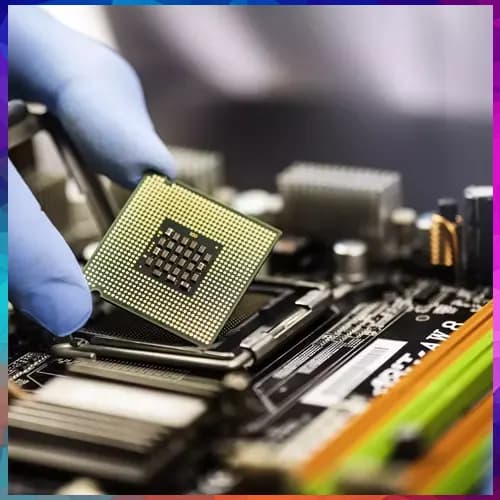
The move highlights the growing impact of AI infrastructure spending on the broader technology supply chain. Memory manufacturers, including Micron Technology, have increasingly prioritized high-margin orders from AI chip suppliers such as Nvidia, tightening supplies of DRAM and NAND flash memory used in PCs, tablets and smartphones.
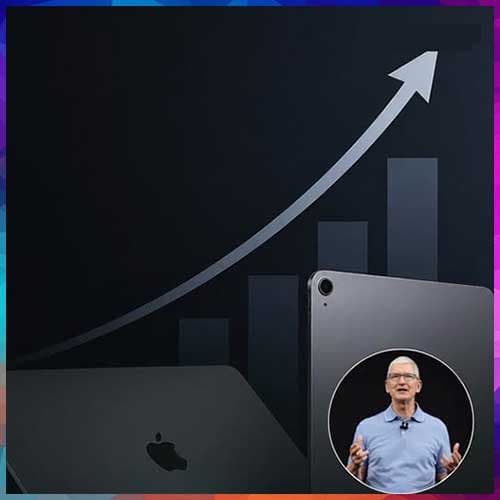
Apple had previously warned investors that higher memory costs would begin affecting its financial performance. During its April earnings call, CEO Tim Cook said existing inventory had allowed the company to maintain margins temporarily but cautioned that component inflation would become more pronounced.
"We expect significantly higher memory costs," Cook told analysts. "Beyond the June quarter, we believe memory costs will drive an increasing impact on our business."
Apple did not disclose any additional measures it is taking to offset higher component costs beyond the price increases.
"We know this is not welcome news, and we are working tirelessly to find solutions," the company said.
Investors reacted negatively to the announcement, with Apple shares falling nearly 5% in Thursday trading. Shares of Dell Technologies also declined more than 8%, reflecting broader concerns about rising component costs across the PC industry.
The price increases come as consumer electronics manufacturers grapple with an AI-driven memory shortage that is expected to continue weighing on device pricing and demand in the coming quarters.
The price increases, announced Thursday, affect iPads, MacBooks, HomePod smart speakers and Apple TV streaming devices, but do not include the iPhone, the company's biggest revenue-generating product.
Apple said the surge in memory prices has been fueled by chipmakers prioritizing supplies for AI data center deployments, leaving less capacity for consumer electronics manufacturers.
"We have never seen a component price increase this much, this quickly," the company said in a statement. "We have shielded our customers from these increases so far, but we have now reached a point where we need to begin raising prices on a number of products, including today's increases for iPad and Mac."
Among the changes, the starting price of Apple's Neo laptop has increased from $599 to $699, while the MacBook Air with 512GB of storage now starts at $1,299, up from $1,099. The MacBook Pro with 1TB of storage now costs $1,999, compared with $1,699 previously. The iPad Air with 128GB of storage has risen from $599 to $749.
The move highlights the growing impact of AI infrastructure spending on the broader technology supply chain. Memory manufacturers, including Micron Technology, have increasingly prioritized high-margin orders from AI chip suppliers such as Nvidia, tightening supplies of DRAM and NAND flash memory used in PCs, tablets and smartphones.
Apple had previously warned investors that higher memory costs would begin affecting its financial performance. During its April earnings call, CEO Tim Cook said existing inventory had allowed the company to maintain margins temporarily but cautioned that component inflation would become more pronounced.
"We expect significantly higher memory costs," Cook told analysts. "Beyond the June quarter, we believe memory costs will drive an increasing impact on our business."
Apple did not disclose any additional measures it is taking to offset higher component costs beyond the price increases.
"We know this is not welcome news, and we are working tirelessly to find solutions," the company said.
Investors reacted negatively to the announcement, with Apple shares falling nearly 5% in Thursday trading. Shares of Dell Technologies also declined more than 8%, reflecting broader concerns about rising component costs across the PC industry.
The price increases come as consumer electronics manufacturers grapple with an AI-driven memory shortage that is expected to continue weighing on device pricing and demand in the coming quarters.