VARINDIA in association with FAIITA has recently organized an event on the concept of Decode Genuine which brings hundreds of partners united in a virtual session. The event brings insights on the importance of using genuine software. The event was very much interactive and where the partners from five different states including Kerala, Tamilnadu, Gujarat and Western India had attended the session. The President and chairman of the Associations namely ASIRT, Computer Dealers Association Of Nellore Distt.- Andhra Pradesh , Confederation Associations - T.N & Pondicherry, Federation of information Technologies Association - Gujarat and CMDA- Pune attended the virtual event.
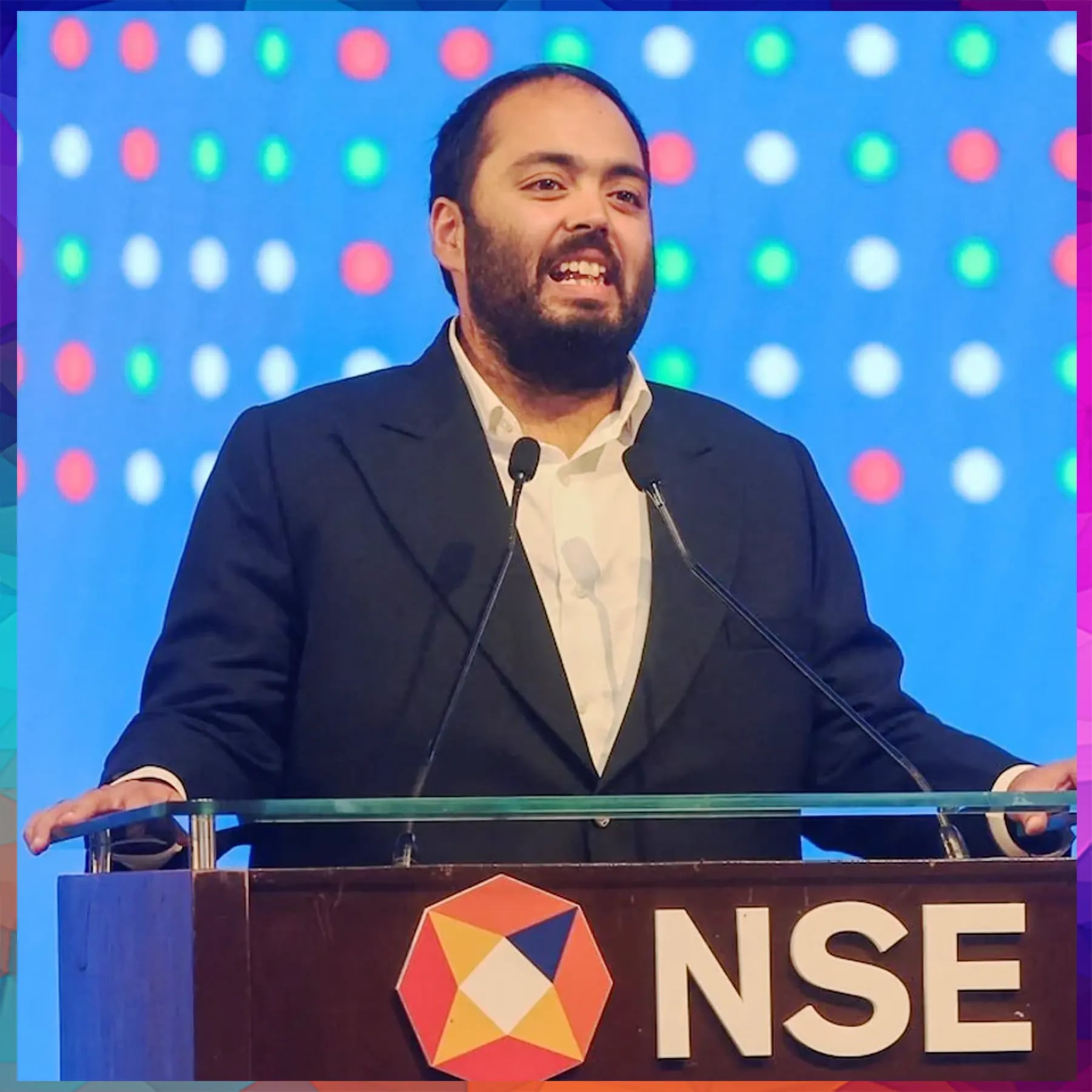
Welcoming everyone Dr. Deepak Kumar Sahu, Editor-in-Chief, VARINDIA spoke on the importance of how digitization brings opportunity across the industries and are growing at the speed of without boundaries. He said, “Today's security threats have expanded in their scope and seriousness. We have seen many use cases where there were certain links between detected malwares and criminal organizations for which malware in pirated software can be a lucrative vector for cyber attacks. One of the hidden costs of using pirated software is the likelihood of encountering nasty, unwanted code either in the software itself, via code that can get downloaded or installed along with it or on pieces with pirated software installed on them. Much of this malware is created by criminal organizations with illegal financial gain, data theft or other myth in mind. All of the world's threat actors take advantage of security vulnerabilities and encrypt data belonging to all sorts of organizations from private business to healthcare facilities and governments. Report states that 37% of all businesses and organizations were hit by ransomware and out of all 32% the ransom recorded only 65% of their data. Hence genuine software offers built in antivirus anti-malware and anti-spam features that help you maintain compliance while keeping pace with industry standards, data privacy rules and Microsoft software License Terms building confidence with all people and companies you encounter.”
During the session more was learnt from the experts from Microsoft, cyber experts, ethical hackers on the risks involved by using non-genuine software.
 Rohit Srivastwa’s presentation is based on how cybercriminals are focusing more than ever on small businesses using non-genuine software to gain access to the network. Rohit Srivastwa, Subject Matter Expert into Cybercrime, said, “In case of these kinds of attacks, where a binary is installed by a third party there is something called as a root certificate, which is the parent certificate, any child certificate issued by the root certificate will be trusted in the system. There will not be saying that the certificate which you have sent out is not a valid certificate or will not show any warning or error. There you will get the validity and green signal that the certificates are perfectly fine. This kind of attack is very active on the internet and can install a malicious certificate for you. I will show you a live demo to show what happens when you download an exe from an unknown source by which the attacker gains access to your system. In the video there are two files, one is called as putty.txt which is genuine and the other one is malware infected putty. The infected file is just a little bit bigger than the actual file. Only a digital signature tab is missing in the malicious one as the people who have created this do not have the actual certificate to sign the binary.”
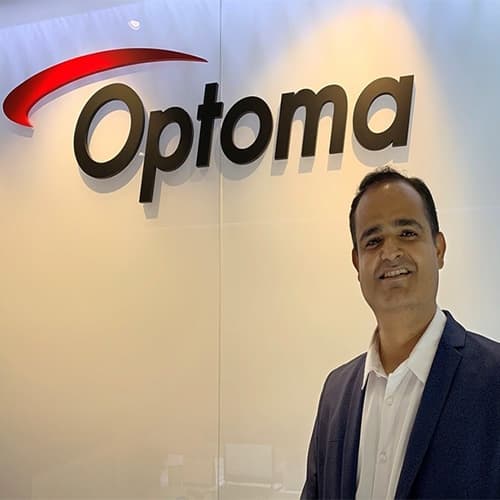
 Nischay Kandpal, Product Specialist – Commercial Microsoft shared his viewpoints on genuine software and raises concern on counterfeit software. He said, “The world is actually going through a lot of changes, there are a lot of changes in terms of the way we work, what we are doing, what we are thinking, what our priorities are. In our personal lives, we are doing everything virtually now. From our children learning in online classes, we watch movies and entertainment shows, internet shopping, bill payments, different kinds of other transactions that we're doing, they are all being done virtually. This is actually posing multiple challenges to all the businesses that we are connected to. Some bank servers are being hacked for money. During the pandemic, the cyber crimes have gone at a massive rise. Even in the poll report it says the same about cyber attacks after COVID-19. It is just not in the banks and in certain private institutions but SMEs which constitute somewhere around 88% businesses in India. They are also being targeted with multiple security threats like ransomware malware, different kinds of viruses, keyloggers etc.”
 In the closing remarks, Kaushik Pandya, President FAIITA thanked everyone and said, “Decoding the genuine was very much in demand by the channel fraternity especially by the FAIITANs. I myself is a domain expert and feel in the last two years cyber crimes in India had grown many fold.” He found the session on the particular challenge was very informative. He was hopeful that India as a country is saving to come up with a new cybersecurity policy in a very short time period. He was very glad that this subject was addressed for the FAIITANs on the platform by the subject experts.

In the Fire Side Chat session Dr. Deepak Kumar Sahu, Editor-in-Chief, VARINDIA welcomed the speakers and said, “In the session we are going to learn on how to protect your company, personal information and setting by using genuine software to safeguard yourself from cybercrime.”
Dr. Harold D’Costa
President, Cyber Security Corporation
Using general software is the first line of defense
It is very important that the genuinity of the software is a must. We should be using genuine software because we have a right to use software which is genuine as we should have a right to identify ourselves as genuine.
Common type of cyber security challenges
During the Covid time, there has been work from home. In fact, we have been having a hybrid model and because of this, organizations had to face a lot of issues or problems. In fact, I would like to share a couple of cases where the organization became a victim of using counterfeit, duplicate software, just to save some small amount of money. In fact, one of the cases that I would like to mention is in a hospital which used to take care of the COVID patients. They had a network of more than 30 machines connected and they did not have their Operating System updated, even their maintenance contract was over and they had a ransomware attack. Due to this ransomware attack, COVID related patients’ data was encrypted. This hospital had a very volatile, young generation management and they tended to be paperless and because of which most of the documents related to the COVID patients and what they had, including their follow ups, including their medical diagnosis was on the system. The ransomware attack took place because they did not have the operating system updated from time to time. They believed that if software was working fine yesterday, today also it will work but that is not the case because there are some new threats which are taking place in the internet space. They also felt why to invest in technology.
Measures to ensure digital safety
First, customers have to be aware. Like we have our own identity, so a genuine software should also be identified. I would like to be known as Harold D’Costa. I would not like to be known as a proxy Harold D'Costa. Similarly, the first cyber hygiene practice that the organization has to do is that they should use authentic software for their reliability. It is not for the reliability of any particular software. They should use software which is of repute at the same time, which should be a legal one. The time has come where the organizations should start using the licensed version of the software because it has its own number of advantages.
Nischay Kandpal
Product Specialist – Commercial, Microsoft
Genuine is the way
The cybersecurity operators can actually use these backdoors to exploit the position or the victim. The first loophole is where we do not use genuine as there is nothing for free in this world. This is one of the keys for us to understand specifically when we are working in the digital world. So right from the time when you are using devices ensure that the first line of defense is the strongest and genuine, which is the base. That is where we will definitely emphasize specifically coming from Microsoft, what I can talk about is we have seen that there are a couple of people who do not actually think about the seriousness of how it can hurt or their businesses can be affected because of these cyber crimes. One of the things that we have seen is people actually do not focus on the genuine and they fall prey to these counterfeit and fakes. They come back to us saying that it is working exactly the same way but we got trapped. And this is where the first line of defense, ensuring that it is the strongest. The application has to be genuine.
On digital safety
Coming from Microsoft, the first thing I can say is go with genuine only, no counterfeit. Second thing is be cautious about the route that you are taking so right now we are doing everything online. Our personal lives are actually intertwined with the internet like it has never been before. In fact, we are carrying these devices which can be very easily used for spyware technologies and we are paying for these unfortunately. It is not just about having one genuine thing, the whole ecosystem has to be covered under this umbrella where we do not use counterfeit or create any back channel for the cybersecurity actors. We have had businesses coming to us and say that we were ready. We were doing very well in terms of security analysis, detection and everything. We were paying for security solutions, yet we faced these kinds of challenges. We tell them to get insured from every way, at least from the OS and the application part because these are the first line of defenses.