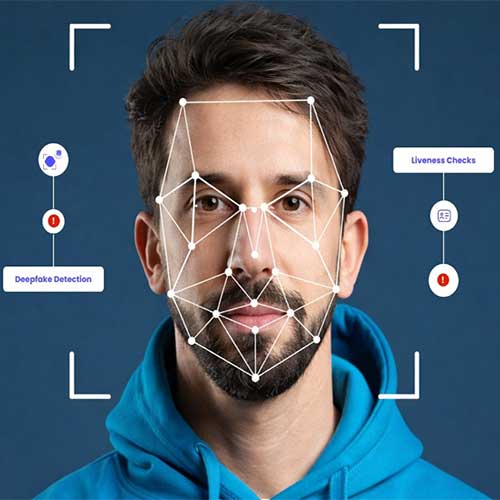
Deepfake technology is rapidly becoming one of the biggest threats to digital identity verification.
Cybercriminals are now using AI-generated videos to bypass traditional liveness detection systems by injecting pre-rendered deepfake video streams directly into the device's camera feed. As a result, verification platforms believe they are capturing a live user when they are actually processing fabricated content.
Most Know Your Customer (KYC) systems rely on users blinking, turning their heads, or responding to on-screen prompts to confirm physical presence. However, recent research by Facia.ai highlights that these checks only verify movement—not whether the video itself is genuine or whether the camera feed has been compromised.
This emerging attack exposes a critical weakness in conventional liveness detection. The upcoming ISO 25456 standard aims to establish testing frameworks for injection-resistant systems, recognizing AI-driven video injection as a major cybersecurity challenge. Going forward, organizations must adopt advanced multimodal verification, continuous authentication, and deepfake detection technologies to ensure digital identities remain authentic in the age of generative AI.
Deepfake
Deepfakes Challenge the Future of Identity Verification