With ₹61,671 crore investment and 65,000 jobs expected, the government’s ECMS programme aims to strengthen domestic component manufacturing, reduce import dependence, and position India as a global electronics supply chain hub.
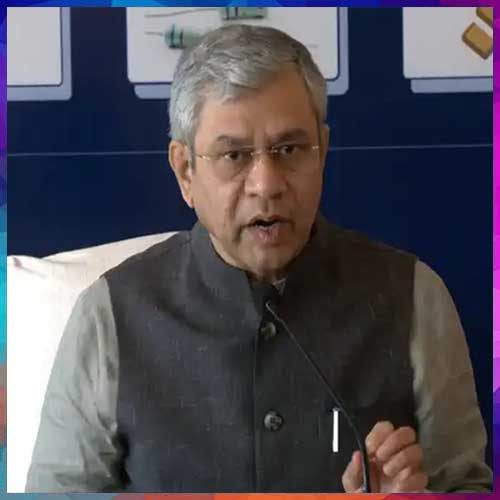
India has taken a significant step toward strengthening its electronics manufacturing ecosystem, with Union IT Minister Ashwini Vaishnaw announcing the approval of 75 projects under the Electronic Components and MSME (ECMS) programme. The initiative, cleared on March 30, involves a total investment of ₹61,671 crore and is expected to generate around 65,000 direct jobs nationwide.
The move reflects a strategic transition in India’s manufacturing approach—from assembling finished products to producing core electronic components. Speaking at a press briefing, the minister highlighted that the country is steadily advancing from manufacturing final goods to modules, sub-modules, and now critical components, which form the backbone of modern electronic devices.
Focus on high-end components and self-reliance
A key highlight of the approvals is the push to manufacture advanced components domestically. The government has cleared projects for producing rare-earth permanent magnets and high-end flexible printed circuit boards (PCBs), both crucial for next-generation electronics. These developments are expected to enhance India’s technological capabilities while reducing reliance on imports.
Additionally, the programme includes proposals for manufacturing capital equipment and key components such as inductors and transducers, which are vital for electric vehicle ecosystems. Until now, many of these components were largely imported. The minister emphasised that several of these technologies are being developed using indigenous expertise, marking a major step toward self-reliance.
The impact of these projects is expected to be substantial. Domestic production is projected to meet about 61% of capacitor demand, up from 35% earlier, while relay manufacturing could fully meet local demand and create export opportunities. Production of PCBs is expected to cater to nearly half of domestic needs, while other components such as inductors and passive devices will also see incremental gains.
Fast-tracking semiconductor growth
The announcement also coincides with progress in India’s semiconductor ambitions. The minister noted that the first semiconductor plant by Micron Technology was inaugurated earlier this year, with a second facility set to be launched shortly. He highlighted that the project moved from groundwork to production readiness in just 19 months, underlining India’s growing manufacturing efficiency.
Overall, the ECMS programme is expected to reduce import dependence, strengthen supply chains, and position India as a competitive player in the global electronics market.