The 21st century has witnessed some of the largest healthcare data breaches in history, exposing billions of sensitive patient records worldwide.
From ransomware attacks on hospital chains to insider leaks at insurance providers, these incidents reveal a recurring pattern - weak security architecture, poor data governance, and under-estimation of cyber risk.
Globally, major breaches have compromised medical histories, insurance details, biometric data, and even genomic information.
Unlike financial data, healthcare records cannot be “reset,” making the damage permanent and deeply personal.
Attackers exploit legacy systems, unsecured APIs, third-party vendors, and delayed breach detection—often remaining undetected for months.
For India, the stakes are even higher.
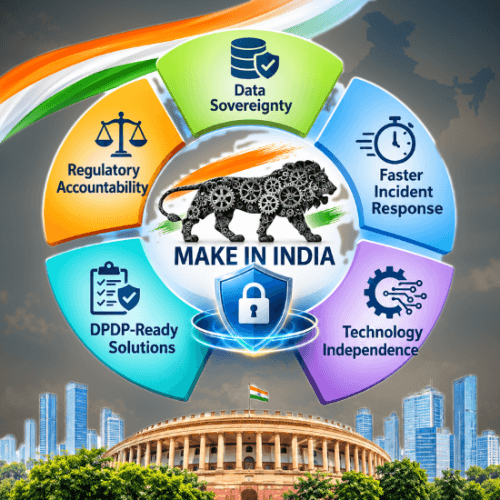
As the country accelerates digital health initiatives and rolls out large-scale platforms under the Digital Personal Data Protection Act, repeating these global mistakes could prove catastrophic.
DPDP imposes strict obligations on consent, purpose limitation, breach reporting, and data minimization.
Non-compliance can trigger heavy penalties and loss of public trust.
India’s healthcare ecosystem—fragmented, underfunded, and uneven in cyber maturity—is particularly vulnerable.
Many hospitals still rely on outdated systems, lack dedicated CISOs, and treat cybersecurity as an IT expense rather than a patient-safety issue.
If large-scale breaches occur under DPDP, the result will not just be fines—it could stall digital health adoption altogether.
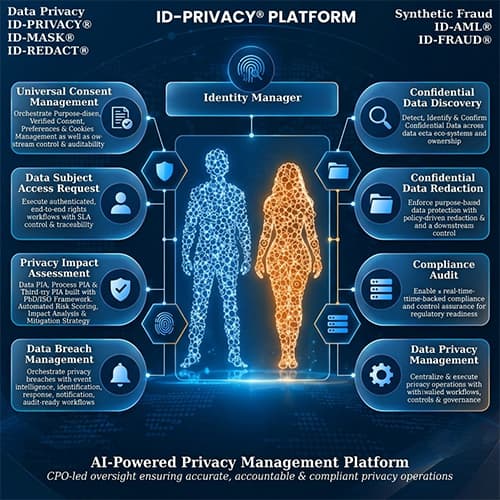
The lesson is clear: privacy-by-design, zero-trust architectures, and strong governance are no longer optional. In healthcare, data protection is patient protection.