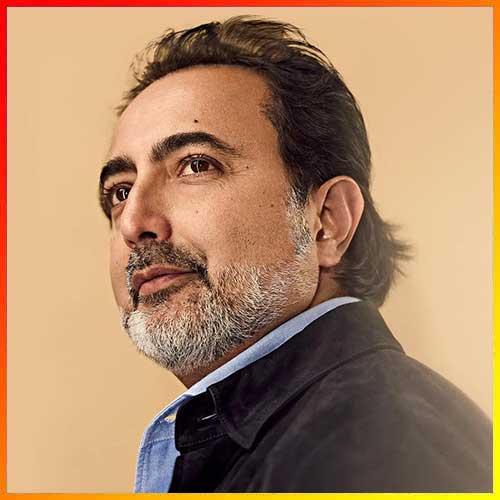
Hemant Taneja, CEO of General Catalyst and a veteran of the Forbes Midas List, is fundamentally reshaping the venture capital model. While traditional VC firms remain focused on early-stage funding, Taneja is transforming General Catalyst into a "strategic conglomerate"—a multi-hyphenate powerhouse that combines traditional venture investing with internal incubators, policy think tanks, and direct asset management.
The firm's most audacious move is its entry into healthcare. By purchasing Summa Health, an 8,000-employee hospital system in Akron, Ohio, for $485 million, General Catalyst is moving beyond the boardroom to act as an operator. Taneja’s goal is to turn the hospital into an "AI lab," injecting automation and advanced tech into every facet of patient care.
Taneja’s strategy—often described as "responsible innovation"—shifts the focus from the "move fast and break things" era toward creating sustainable, tech-integrated companies. This approach includes ambitious "rollup" strategies where General Catalyst co-founds or acquires entities in "dusty" industries like IT services and property management, then replaces traditional manual processes with proprietary AI tools. For example, the firm's startup Crescendo utilized bots to automate call center interactions, resulting in 30% cost savings for clients.
Despite his success—backing giants like Stripe and Anduril, and managing over $36 billion in assets—Taneja faces skepticism. Critics argue that his firm’s industrial-scale operations look less like traditional venture capital and more like a private equity fund focused on fee generation. Others point to high-profile failures, such as the collapse of health insurance specialist Olive and the steep decline in Teladoc’s share price following its acquisition of Taneja’s Livongo.
Taneja remains unfazed, drawing parallels between his firm’s expansion and Amazon’s evolutionary trajectory. He argues that success is merely a matter of "leadership bandwidth" and a disciplined operating model. His supporters point to a near-15-year winning streak that has cemented General Catalyst as a dominant force in U.S. investing, with the firm and rivals like Andreessen Horowitz now capturing roughly 20% of every dollar invested by U.S. VCs.
Ultimately, Taneja is testing the limits of what a venture firm can become. By actively merging Silicon Valley’s innovation engine with "Main Street" operational realities, he is betting that the future of venture capital lies not in merely funding the next big idea, but in building the systems that will actually execute it. Whether this expansion leads to unprecedented impact or proves too unwieldy remains the central question of his tenure.