Widespread mobile payment disruption raises concerns over UPI platform resilience.
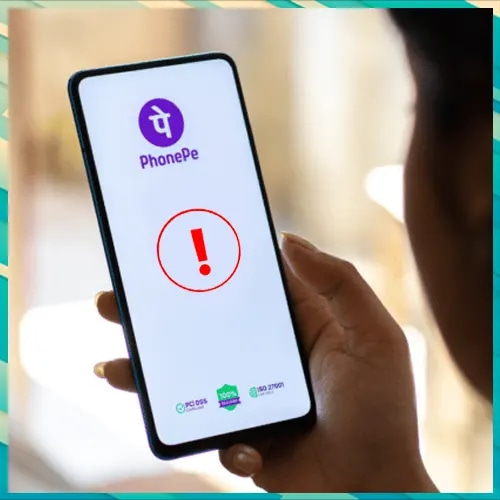
India’s leading digital payments platform PhonePe suffered a significant service outage on Monday, leaving thousands of users unable to complete transactions for several hours. The PhonePe outage, which triggered widespread complaints and frustration on social media, has been officially attributed to a network capacity shortfall, according to the company’s co-founder and CTO, Rahul Chari.
As per outage tracking site DownDetector, the PhonePe network issue was first reported around 5:58 PM and peaked at 7:13 PM, with over 900 users reporting disruptions. Users complained of failed UPI payments, delayed transaction confirmations, and app crashes, sparking concerns over the stability of one of India’s most-used financial platforms. The situation highlighted the vulnerabilities in digital payment infrastructure at a time when dependency on mobile payments is at an all-time high.
PhonePe Responds
In an official statement, PhonePe acknowledged the technical glitch and confirmed that services were affected due to an internal PhonePe network capacity issue, not an external cyberattack or a problem with the Unified Payments Interface (UPI) itself. The company assured users that its engineering teams were working to restore services swiftly and apologized for the inconvenience caused.
Rahul Chari clarified, “The disruption was due to a sudden spike in transaction volumes that exceeded our internal processing capacity. We’ve identified the bottleneck and are actively scaling up our systems to prevent future occurrences.”
This PhonePe server issue not only interrupted payments but also raised questions about how well digital payment companies are preparing for exponential growth in transaction loads, especially during peak hours and festive seasons.
Interestingly, while PhonePe was down, Paytm’s CEO Vijay Shekhar Sharma took to social media to state that Paytm was functioning normally and handling twice its usual transaction volume without issues. His comments, though indirect, highlighted the competitive landscape of Indian fintech and the pressures platforms face in maintaining reliability.
Broader Impact