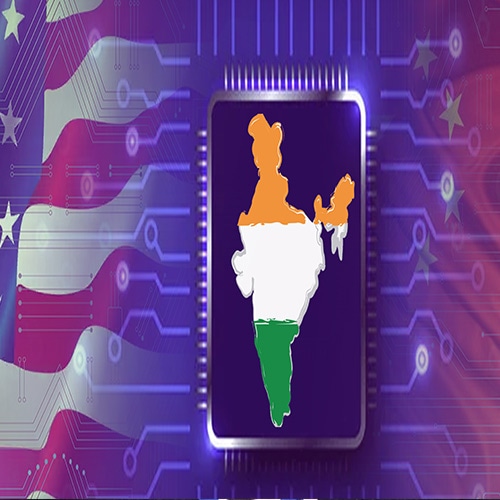
China's recent decision to phase out US-made processors like Intel and AMD chips from government computers and servers marks a turning point in the ongoing tech war between the US and China. This move transcends a mere procurement shift; it signifies China's strategic push for technological self-sufficiency and a challenge to US dominance in the global tech sphere. The ramifications of this decision extend far beyond China's borders, with countries like India poised to play a crucial role in the unfolding geopolitical drama. While the US and China grapple for tech supremacy, India, a rising tech power with its own ambitions for domestic chip production, finds itself strategically positioned to benefit from this rivalry, but also faces challenges in navigating a potentially fractured tech landscape.
Motivations Behind the Chip Ban
Several factors fuel China's decision. National security concerns are paramount. The Chinese government fears potential vulnerabilities in US chips that could be exploited for espionage. Replacing them with domestic alternatives offers a perceived level of control over their critical infrastructure.
Beyond security lies the ambition for technological independence. China's "Made in China 2025" initiative prioritizes domestic production of core technologies. The chip ban aligns with this vision, aiming to reduce dependence on foreign suppliers and foster a robust domestic chip industry. This would not only enhance national security but also elevate China's position as a global technological leader.
The ongoing trade war and broader tensions with the US undoubtedly influence the decision as well. The ban can be seen as a strategic move to pressure the US to soften its stance and diversify China's tech supply chain away from American dominance.
The Road Ahead: A Bumpy Transition
The ramifications of this move will be multifaceted. Disruption for government agencies is inevitable. The transition to domestic processors could lead to compatibility issues, delays in procurement, and potential performance drawbacks in the short term. Government agencies might face challenges in ensuring seamless operation of their IT infrastructure.
On the flip side, domestic chip companies like Huawei and Phytium are likely to see a surge in demand, potentially accelerating their research and development efforts. This government mandate could fuel innovation and help close the gap with established players like Intel and AMD. However, the capability of these domestic alternatives remains a question mark. While China is investing heavily, domestic processors may not yet match the performance, efficiency, and maturity of their foreign counterparts. This could hinder government efficiency and innovation in the short to medium term.
The impact extends beyond China's borders. Strained US-China relations are a likely consequence. The ban could lead to retaliatory measures from the US, potentially escalating tensions and hindering global economic cooperation in the tech sector. The global chip market could also face uncertainty. If Chinese domestic production struggles to meet demand, it could create shortages and price hikes.
Challenges and Uncertainties on the Path to Self-Sufficiency
Several uncertainties cloud China's ambitious journey. Replacing a vast number of processors across government agencies will be a complex, expensive, and time-consuming undertaking. The true financial implications of this transition remain to be seen.
Furthermore, the effectiveness of the ban in achieving China's security goals is debatable. Encryption and other security measures can be implemented on any hardware platform. The success of domestic chipmakers hinges on their ability to attract top talent, develop cutting-edge chip architectures, and establish a robust domestic supply chain.
India: Caught in the Tech Crossfire
India, a rising tech power with its own ambitions for domestic chip production, finds itself caught in the middle of the US-China tech war. Here's how China's move could impact India:
Opportunity for Indian Chipmakers: Indian chipmakers like ISRO and Reliance Jio could potentially benefit if they can offer competitive alternatives to US and Chinese companies. This could incentivize the Indian government to further invest in domestic chip development and create a more robust domestic tech ecosystem.
Increased Reliance on the US: With China's move away from US tech, India might lean more heavily on the US for its own technological needs. This could strengthen the India-US tech partnership, leading to increased collaboration in chip development and joint ventures.
Challenges in a Fragmented Market: A fractured global tech landscape with separate US and China-led ecosystems could make it more difficult for India to navigate and access the latest technologies. India would need to carefully calibrate its approach to maintain access to critical technologies from both sides.
A Tech Cold War on the Horizon?
China's move is a stark reminder of the growing rivalry between the US and China in the technological sphere. It raises concerns about a potential "tech cold war" with two separate technological blocs, each with its own standards, software, and hardware. This could lead to limited interoperability between technologies, disrupted supply chains for companies reliant on global sourcing, and heightened geopolitical tensions.
While the current geopolitical climate suggests a move towards fragmentation, a more collaborative approach could be beneficial for all parties involved. Collaboration between the US, China, and other countries fosters a more dynamic and competitive global technology landscape, leading to faster innovation. Many technological challenges, such as climate change and cybersecurity, require global solutions. Collaboration between countries is essential to address these issues effectively.
Potential Solutions for China
To navigate these challenges, China could consider several approaches:
Collaboration with Foreign Chipmakers: Collaboration with foreign chipmakers through joint ventures and technology licensing agreements could accelerate the development of domestic chip capabilities. This would allow China to leverage foreign expertise while nurturing its domestic industry.
Focus on Open-Source Chip Design: Open-source chip design platforms can provide a foundation for domestic development. This approach fosters collaboration and reduces reliance on proprietary technologies controlled by foreign companies.
Investing in Talent Acquisition and Training: Attracting and retaining top talent in chip design and manufacturing is crucial. China can invest in educational programs, research institutions, and competitive salaries to build a robust domestic chip workforce.
Prioritizing Innovation and IP Development: Encouraging domestic innovation and intellectual property (IP) development is essential for long-term success. China needs to foster a culture of innovation and provide incentives for domestic companies to invest in research and development.
India's Strategic Position
India, with its strategic position and growing tech industry, has the potential to play a crucial role in shaping the future of the global tech landscape. By carefully navigating the geopolitical currents and fostering partnerships with both the US and China, India can emerge as a major player in the new tech order:
Building Strategic Partnerships: India can leverage its position to build strategic partnerships with both the US and China. This would allow India to access advanced technologies from both sides while reducing dependence on any single supplier.
Investing in Domestic Chip Development: The current situation presents a strong case for India to ramp up its domestic chip development efforts. The government can incentivize private sector investment in chip manufacturing and research and development.
Developing a Skilled Workforce: Building a skilled workforce in chip design and manufacturing is crucial for India's long-term success in the tech sector.
Focusing on Innovation: India needs to foster a culture of innovation in the tech sector to develop its own indigenous chip technologies.
By taking these steps, India can position itself as a major player in the global tech scene, regardless of how the US-China tech war unfolds.
Conclusion: A Call for Cooperation
The global tech landscape is at a crossroads. While the current climate suggests a potential fragmentation, a more collaborative approach that prioritizes innovation and problem-solving can benefit all nations.
Countries like India, with their growing tech capabilities, have the potential to bridge the gap between the US and China and foster a more cooperative global tech environment. Ultimately, collaboration, not competition, is the key to unlocking the full potential of technology for the betterment of humanity.