Israel faces a defining political crossroads as President Isaac Herzog has tasked opposition leader Gadi Eisenkot with forming the next government, while caretaker Prime Minister Benjamin Netanyahu calls for national unity amid growing security concerns involving Iran.
The October 27 parliamentary elections produced a deeply fragmented Knesset, with neither major political alliance securing the 61 seats required for a majority, creating uncertainty over Israel's future leadership.
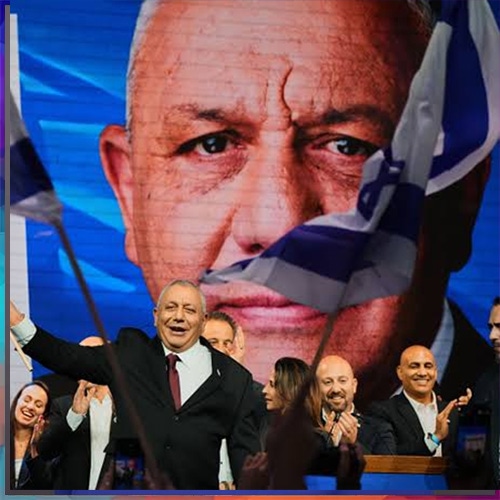
Eisenkot, a former military chief and Yashar party leader, received recommendations from 67 lawmakers, compared with Netanyahu's 46. However, parliamentary endorsements do not guarantee a workable governing coalition.
The political arithmetic remains challenging. Eisenkot's alliance secured 48 seats against Netanyahu's 53, leaving smaller parties crucial to determining the country's next administration.
Netanyahu has proposed a broad national unity government, arguing that Iran's nuclear ambitions, regional military tensions, and ongoing security challenges require political stability and coordinated leadership.
However, his appeal faces resistance from opposition parties seeking political change. Disagreements over military conscription, religious influence, and Netanyahu's continued participation complicate negotiations.
Eisenkot has advocated a national emergency government capable of bridging ideological divisions. Yet, securing support from Arab-led and ultra-Orthodox parties could require difficult political compromises.
President Herzog has provided Eisenkot 28 days to negotiate a coalition, with a possible 14-day extension. Failure could reopen opportunities for Netanyahu or potentially trigger another election.
The geopolitical stakes extend beyond Israel's borders. Political instability could affect military preparedness, diplomatic engagement with Washington, and strategic responses to developments involving Iran, Gaza, and Lebanon.
Ultimately, Israel's leadership crisis represents a critical test of democratic resilience and national security. Whether Eisenkot succeeds in building an alternative coalition or Netanyahu's unity proposal gains momentum, the next government must balance political legitimacy, regional stability, and public confidence while navigating an increasingly volatile Middle East.