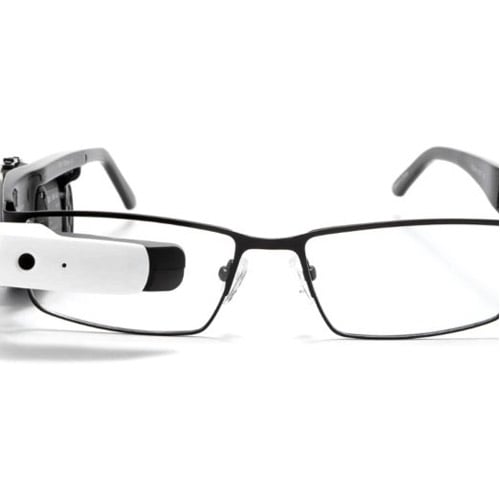
Meta’s Ray-Ban smart glasses are facing renewed cybersecurity and privacy concerns after researchers demonstrated that their software could be replaced, potentially transforming everyday wearable technology into a surveillance device.
Security researchers discovered that older firmware versions, including version 126, failed to adequately verify the authenticity of certain software components, allowing unauthorized applications to run on the glasses.
The vulnerability could potentially enable malicious software to access sensitive information, compromise device functionality and transfer stored recordings to unauthorized external servers.
Importantly, the demonstrated attack requires physical access to the glasses and their paired smartphone. Researchers have not established that attackers can remotely hijack the devices over the internet.
Despite Meta introducing a firmware security fix, researchers subsequently identified another security weakness, highlighting the challenges of securing interconnected wearable devices and smartphone applications.
Meanwhile, an unusual incident in Cookstown, Canada, demonstrated another dimension of wearable technology. A man allegedly replaced genuine Ray-Ban Meta glasses with a counterfeit pair at an eyewear store.
The suspect inadvertently activated the recording function while trying on the glasses, capturing footage of himself that was subsequently uploaded to a previously paired device.
South Simcoe Police released images to assist their investigation. Although unrelated to the firmware vulnerability, the incident illustrates how wearable devices can capture and transmit personal information unexpectedly.
The broader concern extends beyond individual users. Corporate boardrooms, government establishments, defence facilities, hospitals and financial institutions could face unauthorized recording and confidential information exposure.
Manufacturers must prioritize cryptographically signed firmware, secure boot mechanisms, encrypted communications, continuous vulnerability assessments and transparent recording indicators. Users should regularly update firmware and prevent unauthorized physical access.
As AI-powered wearables become mainstream, the boundary between convenience and surveillance is increasingly blurred. Without security and privacy by design, smart glasses could become a new frontier for digital espionage, unauthorized surveillance and personal data exploitation.