Microsoft has unveiled a new AI agent service through its Foundry platform, marking a significant step toward integrating autonomous software agents into enterprise workflows. The service, currently in public preview, enables organizations to deploy AI agents that can independently execute complex tasks within secure, isolated environments.
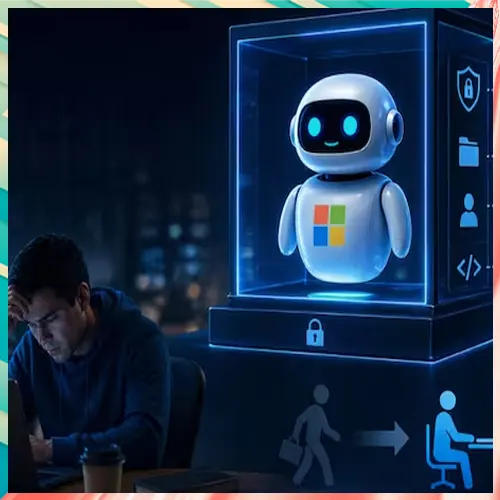
At the core of the announcement is a vision championed by Microsoft CEO Satya Nadella, where each AI agent operates like a “digital worker” with its own virtual computer. These agents are designed to function beyond traditional chatbots, capable of handling tasks such as analyzing large datasets, managing systems, and even modifying codebases with minimal human intervention.
The Foundry Agent Service assigns every agent a dedicated sandbox environment, similar to a virtual machine. This setup allows agents to store data, execute code, and retain memory of past tasks, enabling continuous learning and improved performance over time. By isolating each agent, the system also enhances security and reduces risks associated with shared infrastructure.
Implications for Entry-Level Tech Roles
While the technology promises efficiency and scalability, it has sparked concerns about its potential impact on entry-level jobs in the tech industry. Many routine tasks traditionally handled by junior developers—such as debugging, log analysis, and basic coding—are now within the capabilities of these AI agents.
As organizations adopt such systems, hiring patterns may shift. Companies could prioritize experienced professionals who can design, supervise, and optimize AI-driven workflows, rather than relying heavily on large teams of entry-level employees. This evolution may not eliminate jobs entirely but could redefine the skills required to enter the industry.
Microsoft is positioning Foundry as a comprehensive ecosystem for AI agent deployment, offering tools for identity management, memory handling, and security governance. The platform also integrates with workplace applications like Microsoft 365 and Teams, suggesting that AI agents could soon become embedded in everyday business operations.
Additionally, the platform supports a flexible, multi-model approach, allowing developers to use different AI frameworks and tools rather than being confined to a single ecosystem. This strategy indicates Microsoft’s ambition to establish Foundry as a central hub for building and managing AI agents across industries.
As AI continues to evolve, Microsoft’s latest move highlights a broader transition toward automated, agent-driven work environments, raising both opportunities for innovation and questions about the future of the workforce.