India’s largest vaccine maker is collaborating with Oxford researchers and global health agencies to accelerate production of an experimental vaccine as the Bundibugyo Ebola outbreak spreads across Congo and Uganda.
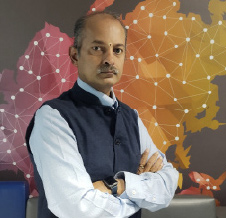
As health authorities battle a growing outbreak of the rare Bundibugyo strain of Ebola in Central Africa, Serum Institute of India has joined an international effort to fast-track the development and manufacturing of a potential vaccine candidate.
The outbreak, centred in the Democratic Republic of the Congo and spreading into Uganda, has intensified concerns among global health agencies due to the absence of any approved vaccine or targeted treatment for the Bundibugyo species of Ebola.
According to health officials in the affected countries, hundreds of suspected infections and more than a hundred suspected deaths have already been reported. The spread of cases into urban areas, including Kampala, has increased fears of wider regional transmission.
The World Health Organization has classified the outbreak as a Public Health Emergency of International Concern, while the Africa Centres for Disease Control and Prevention has declared it a continental health emergency.
Oxford-SII partnership gains urgency
One of the leading vaccine candidates under development uses the ChAdOx platform created by University of Oxford. The same technology gained global recognition during the COVID-19 pandemic through the Oxford-AstraZeneca vaccine, which was manufactured in large volumes by Serum Institute under the Covishield brand.
Serum Institute is now working alongside Oxford researchers and the Coalition for Epidemic Preparedness Innovations to accelerate production of the experimental Bundibugyo Ebola vaccine candidate.
Industry experts believe the ChAdOx platform may offer a key advantage because large-scale manufacturing systems for the technology already exist. This could potentially shorten production timelines compared to newer vaccine technologies.
A spokesperson for Serum Institute said the company activated its emergency response framework soon after receiving information about the outbreak. The company added that its existing expertise with the ChAdOx platform could help speed up vaccine production if early studies prove successful.
Global agencies race against time
Global health organisations, including Gavi, the Vaccine Alliance, UNICEF, CEPI and WHO, are closely monitoring the outbreak and evaluating emergency vaccine strategies.
Another vaccine candidate based on the rVSV platform is also being explored. However, experts believe manufacturing delays may slow its availability for immediate deployment.
Despite the urgency, scientists caution that the Oxford-SII vaccine candidate has not yet completed animal or human trials specifically for the Bundibugyo strain. Researchers and regulators are therefore balancing the need for rapid action with safety and effectiveness requirements.
The latest outbreak has once again highlighted the critical importance of global vaccine preparedness and India’s growing role in responding to international public health emergencies.

See What’s Next in Tech With the Fast Forward Newsletter









Tweets From @varindiamag
Nothing to see here - yet
When they Tweet, their Tweets will show up here.