
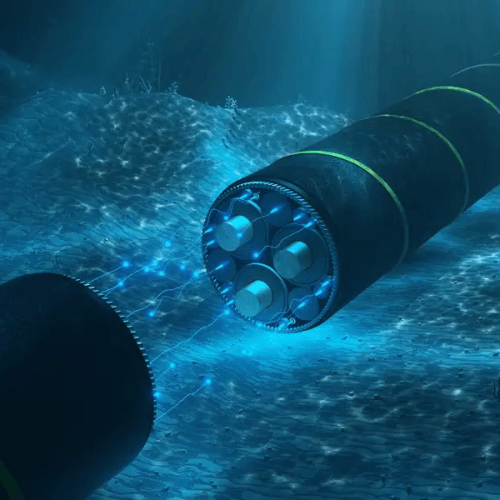
Iran's recent threat to sever undersea fiber-optic cables in the Red Sea highlights a critical business continuity issue.
As geopolitical tensions rise, organizations that rely on internet connectivity must re-evaluate their resilience strategies.
Over 95% of global internet traffic travels through undersea cables, with at least 17 passing through the Red Sea.
This region is vital for countries like India, whose internet traffic is heavily routed through these cables, impacting services such as financial systems and cloud computing.
The implications of a cable disruption are significant.
Repair ships cannot operate in active war zones, and historical repair times have ranged from two to six months.
This reality poses serious questions for Chief Information Security Officers (CISOs) and business leaders.
Does your business continuity plan account for prolonged internet outages? Have you assessed the vulnerabilities of your SaaS vendors? Moreover, are your cloud workloads designed for geo-redundancy across various cable paths?
Critical infrastructure protection and resilience planning are no longer optional; they are essential for survival in today's digital landscape.
Organizations must treat submarine cable infrastructure as Critical Information Infrastructure.
As geopolitical risks evolve into cyber risks, these concerns have reached the boardroom level.
It's imperative to review and strengthen your business continuity posture in light of the current situation in the Red Sea and Hormuz.