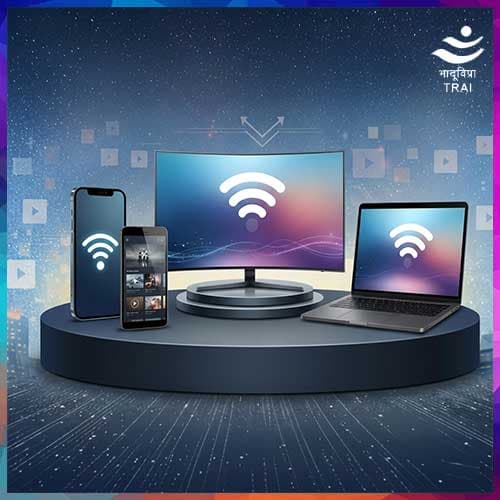
The telecom regulator introduces a broader classification for internet-delivered television services, signalling potential licensing requirements and stricter compliance norms as stakeholders debate accountability, content standards, and the impact on traditional broadcast and distribution players.
Telecom Regulatory Authority of India has initiated steps to bring free streaming television platforms on smart TVs under a formal regulatory structure, raising concerns over the absence of licensing norms, content accountability, and fair competition with traditional broadcasting services.
In a recent consultation paper, the regulator examined the growing popularity of Free Ad-Supported Streaming Television (FAST) platforms, including services such as Samsung TV Plus, LG Channels, and Pluto TV. These platforms provide scheduled television channels over the internet without subscription fees, relying primarily on advertising revenue.
Broader regulatory scope proposed
The move follows inputs from the Ministry of Information and Broadcasting, which highlighted that such services are currently operating without a defined licensing or registration framework, despite distributing television-like content to the public.
TRAI noted that FAST platforms perform functions similar to traditional distribution service providers but without comparable regulatory oversight. Instead of limiting its focus only to FAST services, the regulator has proposed a broader classification called Application-based Linear Television Distribution (ALTD). This category aims to include all internet-based platforms delivering linear TV channels, regardless of whether they operate on ad-supported, subscription, or hybrid models.
The regulator identified multiple operating structures within this ecosystem. Some smart TV manufacturers run integrated platforms with preloaded applications and direct advertising monetisation. Others rely on third-party or international apps for content aggregation and delivery. Additionally, operating system-led platforms such as Google TV and Amazon Fire TV aggregate channels across providers, while less regulated models include apps or websites streaming channels through external links.
Industry concerns and next steps
Traditional broadcasters and distribution players have raised concerns that FAST platforms may be bypassing existing uplinking and downlinking regulations, which require government approval for broadcasting television channels. There are also apprehensions that paid channels may be made available for free, potentially violating tariff rules.
TRAI has further pointed out the lack of consistent mechanisms to enforce Programme and Advertising Codes across such platforms. To address these gaps, the regulator is seeking stakeholder feedback on key issues, including defining ALTD services, assigning accountability in complex ecosystems, and establishing consumer protection measures.
The consultation also explores whether these platforms should be brought under a formal authorisation regime similar to existing television distribution services. This could involve mandatory licensing, compliance with content standards, and structured grievance redressal systems.
With India’s FAST market projected to grow significantly in the coming years, TRAI’s proposed framework is expected to shape the future of internet-based television while aligning it more closely with the country’s established broadcasting regulations.