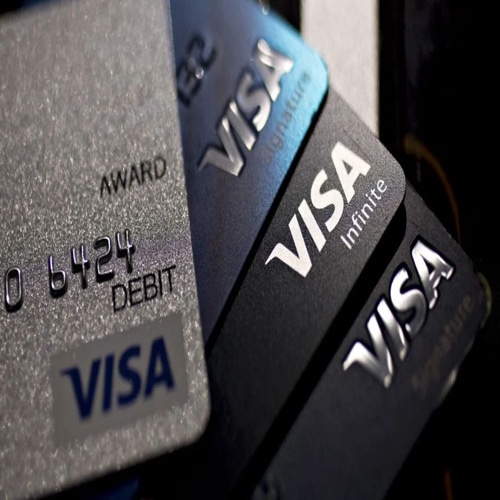
Ransomware group n0n threatens Visa and JPMorgan Chase with data leaks, highlighting growing third-party cybersecurity risks.
Global financial giants Visa and JPMorgan Chase have emerged as alleged targets of a ransomware campaign, raising fresh concerns about data security across the international banking and payments ecosystem.
A newly identified ransomware group, n0n, listed both organizations on its dark web leak site, threatening to publish allegedly stolen information unless negotiations began within 48 hours.
The attackers claim to possess sensitive customer information, including personal details, email addresses, mobile numbers, travel bookings and marketing records associated with premium cardholders.
However, the group has not provided independently verifiable evidence supporting its claims, leaving the extent of any alleged data theft uncertain.
Visa acknowledged a cybersecurity incident involving a third-party service provider in the Asia-Pacific region, but emphasized that its own infrastructure remained unaffected.
The payments company further clarified that there was no indication of compromised payment information, including card numbers. Visa has not disclosed the identity of the affected service provider.
Meanwhile, JPMorgan Chase experienced a separate service disruption, which the bank attributed to a software defect rather than malicious cyber activity. Officials reported no evidence connecting the outage to a cyberattack.
The n0n ransomware group reportedly emerged in September 2026 and has rapidly expanded its claimed victim list. It recently targeted travel giant Expedia, alleging the theft of substantial customer information.
The incident highlights growing third-party and supply-chain security vulnerabilities. Financial institutions increasingly depend on external technology providers, cloud platforms and interconnected digital services, creating additional opportunities for cybercriminals.
For Indian banks and financial institutions, the warning is significant. Strengthening vendor risk assessments, continuous monitoring, identity protection, data encryption and incident response is becoming essential. As digital payments expand and regulatory scrutiny intensifies, cybersecurity resilience must extend beyond internal networks to encompass the entire financial technology ecosystem.