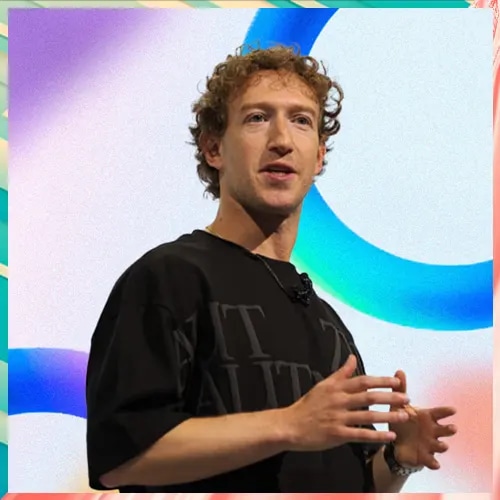
Meta is adapting its strategy to prioritize video, trends, and mass appeal.
Meta CEO Mark Zuckerberg has announced a bold transformation in how we perceive and use social media. Platforms like Facebook and Instagram, once designed primarily for personal connections and social updates, are now evolving into entertainment-first hubs, driven by video content, viral trends, and mass appeal.
Zuckerberg’s announcement comes as user behavior continues to shift dramatically. Data reveals a noticeable decline in the time people spend viewing updates from friends and family. Instead, users are now gravitating toward globally popular content, creator-driven videos, and algorithm-curated posts that mirror the experience offered by platforms like TikTok and YouTube.
To keep pace with these trends, Meta is restructuring its algorithms to prioritize content discovery over social interactions. This means more video reels, trending topics, and influencer-driven content will dominate users’ feeds — a stark departure from the original social media experience rooted in personal storytelling and community updates.
This strategic pivot presents both challenges and opportunities. For creators, the focus on entertainment and viral content opens new avenues for growth, engagement, and monetization. For everyday users, however, the shift may feel like a detachment from the original appeal of platforms like Facebook — which were once deeply personal and community-oriented.
Zuckerberg’s vision aligns with a broader trend: social media platforms transforming into digital entertainment ecosystems. As Meta leads this change, users and content creators alike must adapt to new algorithms, explore innovative formats, and compete for attention in an increasingly saturated content space.
For Meta, this move could enhance user engagement and attract younger audiences. But for critics, it signals the end of personal social networking as we knew it.
The evolution of Facebook and Instagram highlights a critical moment in the social media landscape — where the future of digital interaction is not just about connecting people, but captivating them.