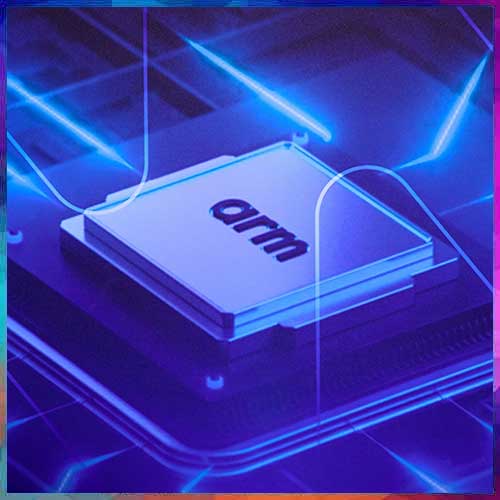
A structural transformation is underway in the data center landscape as proprietary Arm-based architectures begin to displace legacy x86 designs within AI server infrastructure. According to the latest analysis from Counterpoint Research, Arm-based CPUs are projected to capture 90% of the host CPU market for custom AI ASIC servers by 2029, a staggering rise from approximately 25% in 2025. This shift is primarily driven by major hyperscalers—including Google, AWS, Microsoft, and Meta—transitioning toward in-house silicon to optimize performance and reduce operational costs.
The primary catalysts for this transition are the aggressive scaling of proprietary Arm architecture licensing and the introduction of the turnkey Arm AGI CPU platform. Hyperscalers are increasingly favoring Arm Neoverse cores due to their superior efficiency, demonstrating up to twice the performance-per-watt compared to traditional x86 rack configurations. By designing host processors in tandem with AI accelerators, these companies can maximize compute density within fixed power envelopes while recapturing margins and lowering "token costs" for AI services.
This movement is becoming visible across the industry's largest players. Google is ramping up its Axion Arm-based CPU for its next-generation TPU infrastructure, while AWS continues to expand the role of its Graviton processors in high-density Trainium configurations. Similarly, Microsoft has integrated its Azure Cobalt ARM CPU with the Maia AI accelerator family. A significant milestone in this shift is Meta’s adoption of the first-ever Arm AGI CPU for its next-generation MTIA infrastructure, signaling a deliberate, industry-wide move away from merchant x86 silicon.
The transition is expected to accelerate meaningfully in the second half of 2026 as next-generation ASIC platforms are deployed at scale. This evolution has profound implications for the semiconductor supply chain, as hyperscalers move toward in-house designs manufactured on advanced process nodes. Consequently, the AI server build-out will simultaneously drive demand for both compute ASICs and CPU layers across the TSMC supply chain, cementing Arm's position as the foundational architecture for the future of sovereign and hyperscale AI infrastructure.

See What’s Next in Tech With the Fast Forward Newsletter




Tweets From @varindiamag
Nothing to see here - yet
When they Tweet, their Tweets will show up here.