

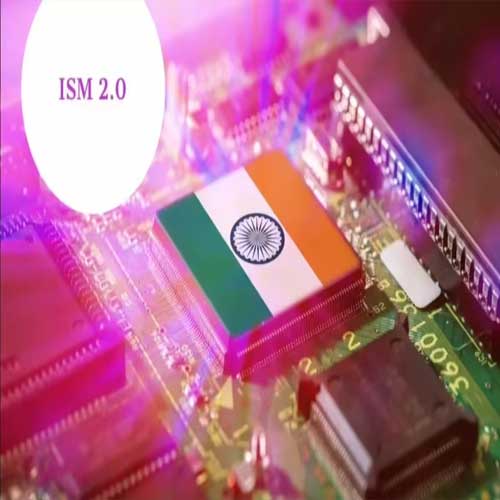
India’s semiconductor strategy is entering a decisive second phase.
With the Union Budget 2026–27 expanding support under the India Semiconductor Mission (ISM) 2.0 and strengthening allocations across the value chain, the focus is shifting from merely attracting fabs to building a resilient, end-to-end ecosystem.
The India Semiconductor Mission (ISM)’s first phase successfully drew major investments—Tata Electronics–PSMC’s 12-inch wafer fab in Gujarat, Micron’s assembly and test facility, and multiple OSAT and packaging units.
But policymakers now recognize that fabs alone do not create competitiveness.
A semiconductor powerhouse requires materials, specialty gases, precision equipment, design talent, IP, and R&D infrastructure.
ISM 2.0 reflects this pivot. Increased funding for ecosystem initiatives and the Semiconductor Laboratory in Mohali strengthens domestic prototyping and strategic autonomy.
The Design-Linked Incentive scheme is nurturing a fabless ecosystem, with startups taping out advanced-node chips and thousands of students accessing national EDA platforms.
Indigenous efforts like the RISC-V–based DHRUV-64 processor underline the national security dimension.
Global partnerships with the U.S., Japan, and Taiwan are accelerating integration into supply chains, while targeted workforce programs aim to build deep technical capability.
Challenges remain like —capital intensity, technology transfer limits, and supply chain dependencies—but India’s strategy is now systemic.
The ambition is no longer just to manufacture chips, but to anchor a globally competitive semiconductor ecosystem.

See What’s Next in Tech With the Fast Forward Newsletter








Tweets From @varindiamag
Nothing to see here - yet
When they Tweet, their Tweets will show up here.