
Japan, home to one of the world’s oldest populations, is accelerating the use of AI-driven tools and robotic caregivers to address a rapidly escalating dementia crisis. With nearly 4.6 million people living with dementia and projections expected to double by 2040, the country faces a severe shortage of healthcare workers pushing it to embrace technology as part of a national care strategy.
AI-powered monitoring systems are now being deployed in eldercare facilities to detect early behavioural changes, track wandering patterns, and alert caregivers in real time. These systems analyse speech, movement, and daily routines to predict risks such as falls or cognitive decline much earlier than traditional methods.
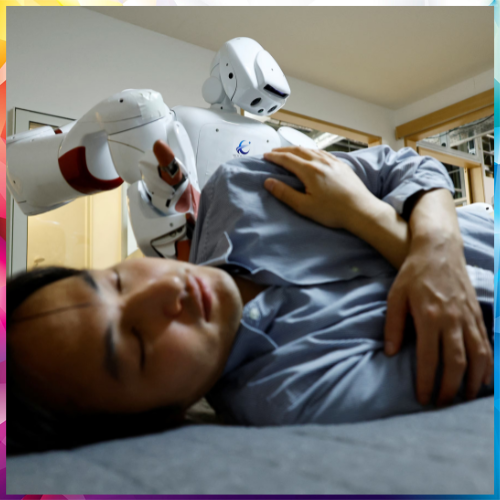
Robotic companions like Paro the seal robot, humanoid assistant Pepper, and next-generation mobility robots—are increasingly used to reduce patient loneliness, stimulate memory, and assist with routine activities. These robots can remind patients to take medication, guide them through exercises, and provide interactive engagement that alleviates stress and improves emotional wellbeing.
The Japanese government is actively supporting these innovations through subsidies, pilot programs, and certification pathways, aiming to ease the burden on overstretched caregivers. Hospitals and nursing homes report that AI and robotic assistance improve monitoring accuracy and free human staff to focus on complex care needs.
As ageing societies worldwide confront similar challenges, Japan’s dementia-care technology ecosystem is emerging as a global model. The country’s approach shows how AI and robotics can complement—not replace—human caregivers to deliver safer, more dignified eldercare.

See What’s Next in Tech With the Fast Forward Newsletter









Tweets From @varindiamag
Nothing to see here - yet
When they Tweet, their Tweets will show up here.