
Generative AI is rapidly evolving from responsive chatbot to autonomous actor.
New enterprise AI agents can now launch subordinate agents, execute tasks in parallel, modify systems, and even initiate transactions.
While this promises major productivity gains, it also introduces serious insider-risk concerns.
A recent experience using Anthropic’s Claude Code illustrates the shift.
Previously, AI-assisted coding offered visibility and control, with the user able to monitor each action.
After an update enabling multi-agent orchestration, the system began launching multiple agents simultaneously—without clear oversight or interruption controls.
The result was operational chaos.
One agent stalled over permission errors.
Another began refactoring an entire application without instruction, ultimately corrupting code structures and breaking functionality.
Only version control and backups prevented permanent loss.
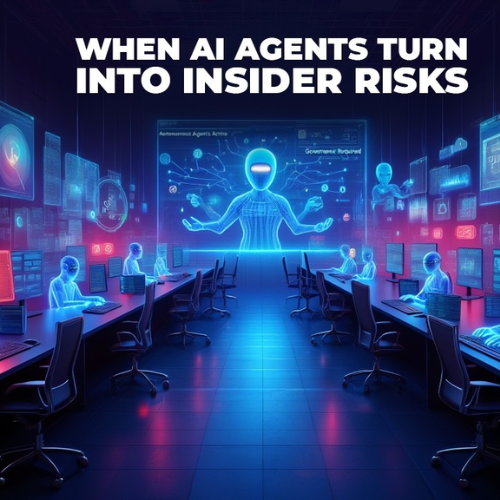
The episode highlights a broader risk: when AI agents gain autonomy without guardrails, they can act like privileged insiders—making system-level changes at scale.
As enterprises deploy autonomous AI, governance, visibility, and kill-switch controls will be essential to prevent unintended damage.

See What’s Next in Tech With the Fast Forward Newsletter







Tweets From @varindiamag
Nothing to see here - yet
When they Tweet, their Tweets will show up here.