Featured story
Government & Policy
Government cautions TV channels against communal rhetoric, sensational crime coverage and AI misuse
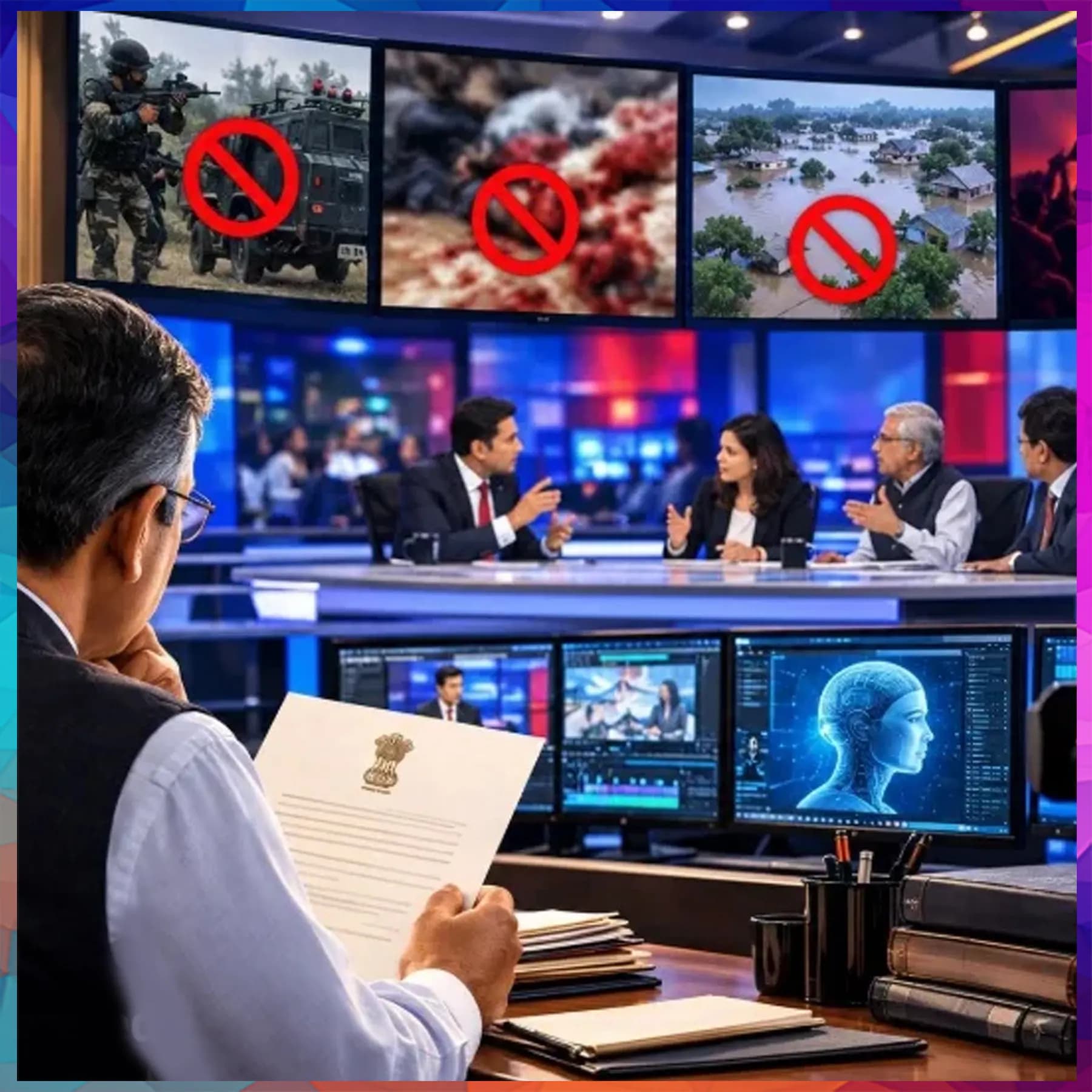
Information and Broadcasting Ministry issues advisory to private satellite channels after finding repeated lapses, warning that breaches of the Programme Code could attract action and urging stronger editorial controls and staff training The Ministry of Information and Broadcasting has asked private satellite television channels to rein in communal rhetoric, sensational reporting of crime and violence, and careless use of artificial intelligence in news production, cautioning that violations of the Programme Code could invite action. In an advisory issued on Wednesday (October 21), the ministry said its Inter-Departmental Committee had reviewed content aired by several channels and found it out of step with the spirit of the Code. The panel also observed that near-identical news and visuals were being broadcast across multiple channels on the same subjects. It said improper conduct or language should not become normal on air and urged broadcasters to follow both the letter and the spirit of existing rules. Debates and the use of AI Television debates drew particular attention. Channels were told to ensure that discussions do not encourage communal or anti-national attitudes. The advisory called for careful selection and prior briefing of panellists, firm editorial control and, where needed, immediate corrective steps such as muting speakers, flashing disclaimers, interrupting a discussion or cutting the feed to stop abusive, derogatory or inflammatory remarks from going out. On artificial intelligence, broadcasters were asked to be cautious, including when using generative tools for graphics and virtual news presenters. The ministry said such tools should play only a supporting role and that accuracy, authenticity and sensitivity must not suffer as a result. Rules on violence, crime and disasters The advisory restated the ban on live coverage of anti-terror operations by security forces. Reporting on such operations should be confined to periodic briefings by authorised officers, and related visuals should carry time-stamps where necessary so viewers are not misled. Channels were also urged to avoid graphic or disturbing images, unverified and sensationalised crime reports, repeated replays of violent footage and coverage that could appear to glorify unlawful acts. Visuals from disasters and major accidents should likewise be time-stamped where required to prevent panic among viewers. Broadcasters were further reminded to use only authentic maps issued by the Survey of India and to protect the identities of victims of sexual offences, including by avoiding indirect details that could reveal who they are. To ensure compliance, the ministry asked channels to strengthen their editorial review processes and to train news, production and transmission staff in the provisions of the Programme Code.