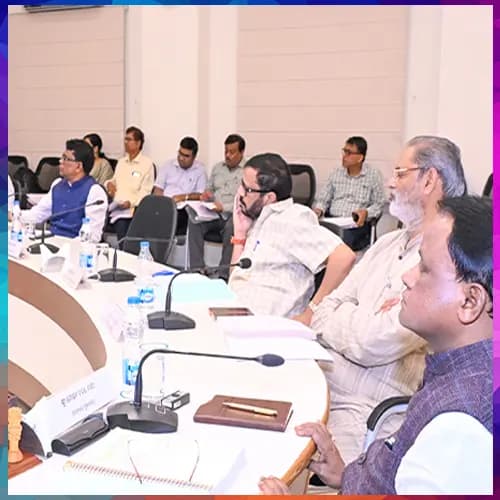
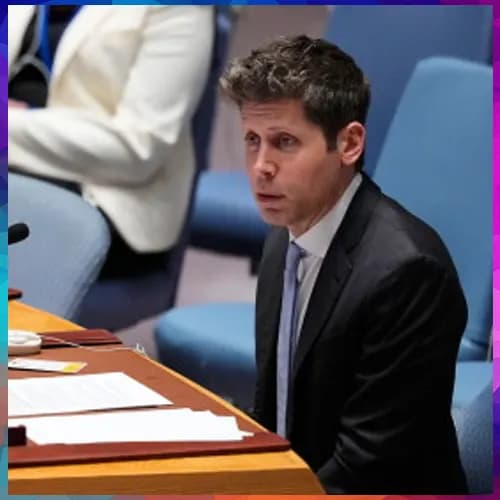
Anthropic's Dario Amodei and OpenAI's Sam Altman warned the Security Council that AI could escape human control, urging verifiable international rules, while the US and China resisted new global governance structures.
Leaders of some of the world's most influential AI companies appeared before the United Nations Security Council on September 23, warning that artificial intelligence could slip beyond human control without coordinated international safeguards. Executives from OpenAI, Anthropic and Hugging Face addressed the session at UN headquarters, an unusual gathering in which the builders of frontier systems asked governments for binding limits.
Anthropic chief executive Dario Amodei told the council that AI, if handled badly, could threaten humanity as a whole. OpenAI's Sam Altman voiced similar concern, cautioning that the world could lose control of its future to AI.
Both executives asked the council to create verifiable guardrails that stop AI capabilities from outrunning human oversight, while ensuring access to the technology does not become concentrated in a small number of countries or companies. Their testimony reflected a widening view among industry figures that neither firms nor individual states can restrain an accelerating technological race on their own.
Amodei set out specific asks: an explicit ban on using AI to build biological weapons, international protocols to verify what models can do, and baseline standards for assessing potential loss of control.
Diplomats react
The session followed a day of mounting warnings over autonomous weapons. UN Secretary-General Antonio Guterres had earlier cautioned against so-called killer robots. Ukrainian President Volodymyr Zelenskyy said there was a real possibility that AI, not only humans, would soon help decide events on the battlefield, adding that peace was needed before that point arrives.
UK Foreign Secretary Ed Miliband said governments should heed the developers' alarm. Their message, he said, was that preventing disaster cannot be left to the industry alone, and he concluded that they were right.
A divided council
Consensus on binding rules remains elusive. White House Science Adviser Michael Kratsios urged restraint, warning that heavy regulation could stifle innovation and delay economic gains. Concerns about control, he argued, do not justify pausing development or imposing new global governance structures.
China's permanent representative, Fu Cong, rejected what he described as an effort to form a narrow us-versus-them bloc in technology, suggesting it would serve certain major powers seeking to preserve their edge through monopoly. He called on all nations to deepen cooperation, support open-source ecosystems and work jointly toward scientific and technological progress.