India's ambitious plan to introduce sixth-generation (6G) wireless technology by 2030 could face delays, with full-scale commercial deployment potentially extending beyond the target year. The primary challenges include limited monetisation opportunities from existing 5G networks and the absence of compelling revenue-generating applications.
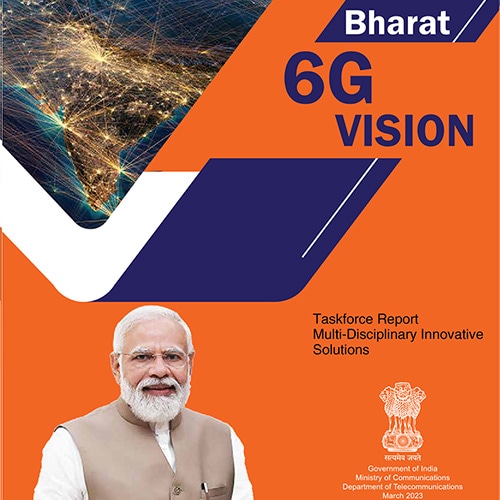
India's 6G ambitions were formally outlined in the Bharat 6G Vision document, launched by Prime Minister Narendra Modi in March 2023. The initiative aims to position India as a global leader in next-generation telecommunications through indigenous research, innovation, standardisation and intellectual property development.
However, telecom operators are still struggling to generate substantial returns on their massive 5G investments. Despite expanding network coverage, consumer willingness to pay premium tariffs remains limited, while enterprise applications have yet to deliver the anticipated commercial benefits.
The transition to 6G will require significant investment in advanced spectrum technologies, artificial intelligence-driven networks, intelligent infrastructure and next-generation semiconductor capabilities. Without sustainable revenue models, telecom operators may prioritise strengthening existing 5G infrastructure over accelerating nationwide 6G deployment.
Nevertheless, 6G presents opportunities across autonomous transportation, immersive communications, industrial automation, smart manufacturing and AI-powered connected ecosystems. India's research institutions, telecom equipment manufacturers and technology startups could play important roles in developing indigenous solutions and contributing to global standards.
Industry Outlook: A delayed commercial rollout should not necessarily be viewed as a setback. India's immediate priority must be unlocking 5G monetisation, strengthening domestic telecom manufacturing and accelerating industry-specific applications. The success of 6G will ultimately depend not on launching networks by 2030, but on creating commercially viable use cases that deliver measurable economic value.