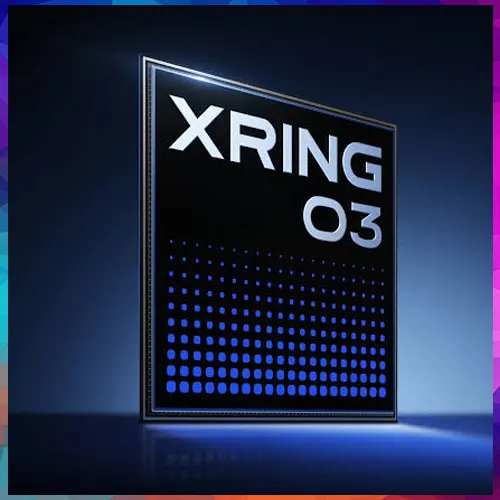
The 3nm processor marks a deeper push into Xiaomi’s in-house chip development, bringing stronger AI and image-processing capabilities while helping the company reduce dependence on external semiconductor suppliers for premium smartphones.
Xiaomi has unveiled its latest in-house smartphone processor, the Xring O3, marking another step in the Chinese technology company’s efforts to strengthen its semiconductor capabilities and reduce its reliance on Qualcomm and MediaTek.
The new system-on-chip is designed to improve power efficiency, image processing and on-device artificial intelligence performance, according to Xiaomi. The processor is built using a 3-nanometre manufacturing process, putting it closer to the technology used in some of the latest premium chips from Apple.
Xiaomi founder Lei Jun confirmed the 3nm manufacturing process in a post on WeChat. The company has reportedly partnered with Taiwan Semiconductor Manufacturing Company (TSMC) to produce the processor.
The launch puts Xiaomi among a growing group of smartphone makers investing heavily in proprietary silicon. Developing its own processors could give the company greater control over device performance and features while improving its negotiating position with external chip suppliers.
Focus shifts to AI and power efficiency
The Xring O3 remains based on a 3nm process even as some leading semiconductor companies are moving towards 2nm technology. Xiaomi appears to be focusing instead on improvements in processor architecture, computing performance, memory and on-device AI to deliver gains in its flagship smartphones.
The chip’s enhanced AI capabilities could allow more processing tasks to be handled directly on smartphones, reducing reliance on cloud-based computing. Improved image processing is also expected to support Xiaomi’s efforts to differentiate its premium devices in an increasingly competitive market.
The company’s broader Xring strategy could eventually allow its semiconductor research and development investments to be spread across a larger range of products. However, limited production volumes mean Xiaomi is likely to continue sourcing a significant portion of its smartphone processors from established suppliers.
Qualcomm and MediaTek have historically been major chip suppliers for Xiaomi. The company’s move towards proprietary silicon is therefore significant for both suppliers, particularly as smartphone manufacturers seek greater control over core technologies.
Xiaomi seeks greater semiconductor control
Xiaomi’s chip ambitions build on years of semiconductor research as the company looks to strengthen its position in the global technology market. In-house processors could provide greater flexibility in integrating hardware and software, while also reducing dependence on external component suppliers over time.
Huawei offers a notable example of the strategic importance of proprietary smartphone silicon. The company has increasingly relied on its own Kirin processors in premium devices following US restrictions that limited its access to several international technology suppliers.
Xiaomi, however, continues to have access to global semiconductor manufacturing and supply chains. Its partnership with TSMC highlights the company’s ability to work with leading international chip manufacturers.
The processor launch comes as Xiaomi faces challenges across both its smartphone and electric-vehicle businesses. Weak consumer demand in China has weighed on the broader market, while competition remains intense across both sectors.
According to Counterpoint Research, Xiaomi recorded the sharpest shipment decline among major smartphone manufacturers during the June quarter. At the same time, concerns over aggressive pricing in its electric-vehicle business have raised questions about pressure on margins.
Against this backdrop, the Xring O3 represents more than a new smartphone component. It is part of Xiaomi’s longer-term strategy to build greater technological independence while strengthening the differentiation of its flagship products.

See What’s Next in Tech With the Fast Forward Newsletter








Tweets From @varindiamag
Nothing to see here - yet
When they Tweet, their Tweets will show up here.