Vinod Khosla’s prediction that IT services and BPO roles could disappear within five years sparked strong rebuttal from industry veteran Ashok Soota, who argued that artificial intelligence will augment human expertise rather than replace it.
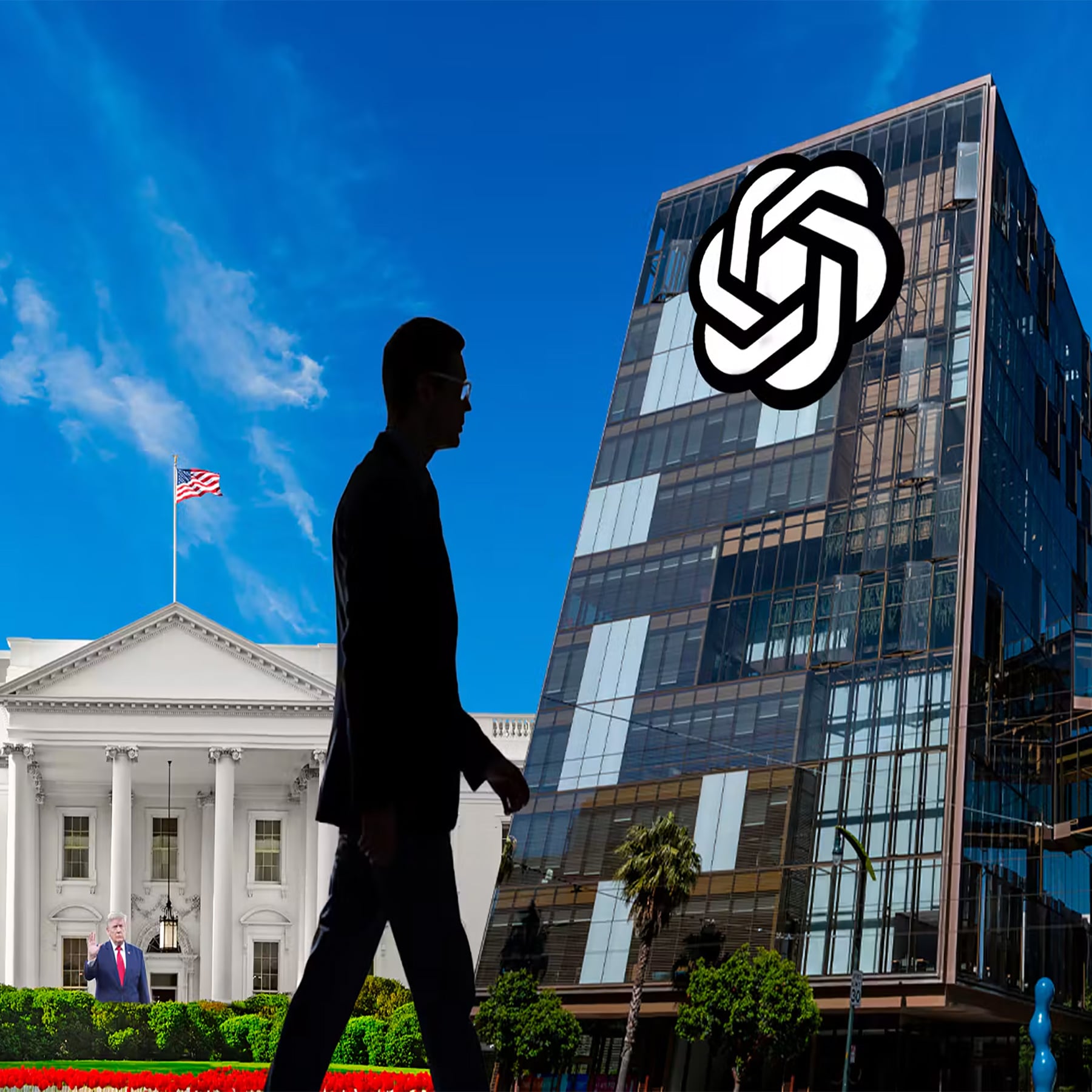
A sharp debate over the future of IT services and knowledge-based jobs dominated discussions at the India AI Impact Summit 2026 in New Delhi. Venture capitalist Vinod Khosla warned that rapid advances in artificial intelligence could eliminate IT services and BPO roles within five years, with AI systems taking over much of today’s human-led work.
Khosla further projected that by 2030, traditional outsourcing models could give way to AI-native services. Looking further ahead, he suggested that by 2050, several expertise-driven professions — including medicine, accounting and design — may face sweeping disruption as AI systems mature.
Industry pushback: AI as an enabler
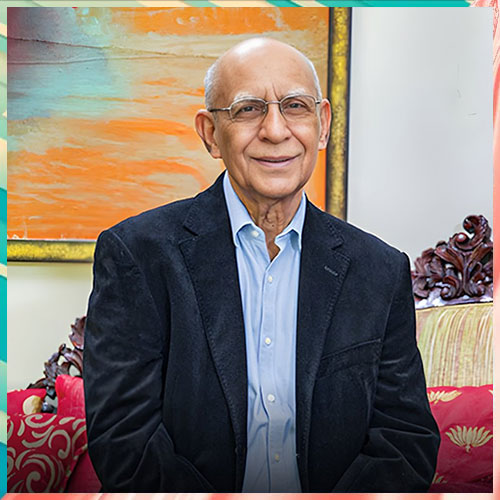
Responding to these remarks, Ashok Soota, Founder and Chairman of Happiest Minds Technologies, rejected the idea that AI would wipe out IT services. He described artificial intelligence as a transformative enabler rather than a replacement for human capability.
Soota argued that technological shifts historically create new industries and opportunities rather than eliminate them entirely. According to him, AI is already helping IT firms deliver higher-value services, improve productivity and accelerate enterprise innovation. Instead of shrinking, the sector is evolving to integrate AI into customised solutions for businesses navigating digital transformation.
He also pointed to AI’s growing role in healthcare, noting that while algorithms can assist in diagnostics and data analysis, human judgment remains indispensable. Reports from global institutions have indicated that AI enhances efficiency but still requires oversight and ethical governance.
Augmentation over replacement
Soota maintained that professions such as medicine depend on trust, empathy and complex decision-making — areas where machines cannot fully substitute human expertise. He emphasised that AI should be viewed as a collaborative tool that amplifies professional capabilities rather than replaces them.
The exchange underscores a broader global debate on automation and employment. While AI’s rapid development is reshaping industries, industry leaders remain divided on whether it signals widespread job displacement or the emergence of new, AI-driven opportunities in the years ahead.