
Orbital AI Faces a Tough Cost Reality
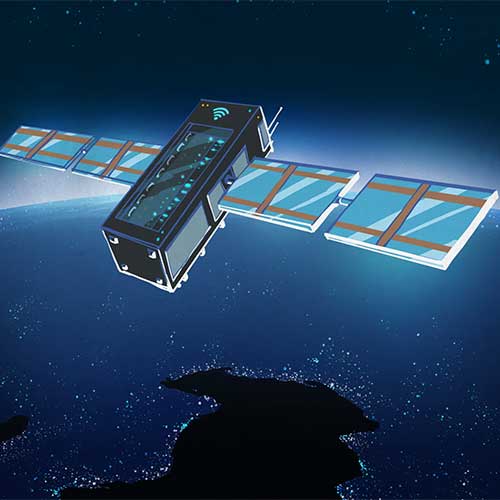
Elon Musk and other futurists are pushing a once-fantastical idea towards reality: shifting AI data centers into space.
Through SpaceX, proposals for solar-powered compute constellations promise abundant energy, freedom from land constraints, and an escape from terrestrial power and permitting limits.
Yet the financial gravity is intense.
Launching hardware remains vastly more expensive than ground deployment.
Even if next-generation vehicles cut prices, analysts warn that true affordability depends on market dynamics, supply chains, and sustained reliability.
Then comes manufacturing.
AI satellites must carry large solar arrays, cooling radiators, radiation shielding, and laser communications — adding mass and cost.
Despite strong sunlight, the delivered price of power in orbit still exceeds grid energy, while harsh conditions shorten hardware lifespans.
Because of this, experts see inference workloads as more viable than giant training clusters.
Earth-based facilities, meanwhile, are scaling faster and getting greener.
Orbital AI might happen — but economics… not ambition…. will decide when.

See What’s Next in Tech With the Fast Forward Newsletter







Tweets From @varindiamag
Nothing to see here - yet
When they Tweet, their Tweets will show up here.