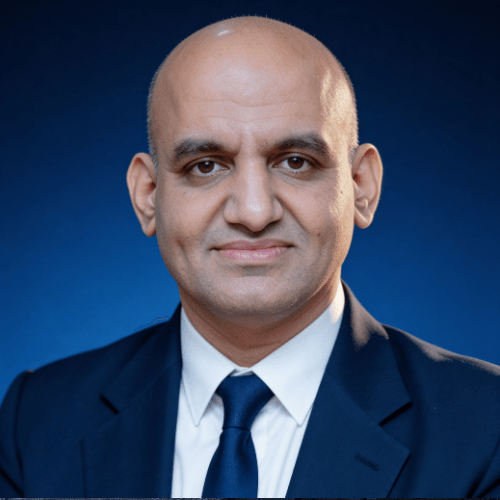
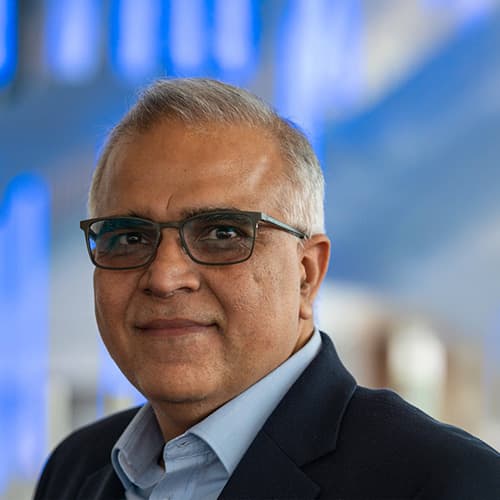
Sajiv Nair
Chief Technology Officer & Chief Information Officer - ESDS Software Solution Ltd.
Cloud migration will no longer be viewed by businesses as just an IT modernization initiative but will increasingly serve as the foundation for AI adoption, data-driven decision-making, and long-term business growth, says Sajiv Nair of ESDS Software Solution. “The focus will shift towards building secure, compliant, and future-ready digital ecosystems that can scale with evolving business requirements. At the same time, intelligent automation, hybrid cloud strategies, and sovereign cloud models will see wider adoption as businesses seek greater flexibility, stronger data governance, and enhanced operational efficiency.”
CHALLENGES TO MOVING WORKLOADS TO CLOUD
The biggest challenge is not moving workloads, but it is ensuring business continuity while doing so. “Legacy applications often have complex dependencies, making downtime or data loss unacceptable,” says Sanjiv. “A successful migration therefore begins with a thorough assessment, followed by a phased, well-orchestrated approach that minimizes disruption, validates performance at every stage, and aligns technology decisions with business priorities rather than treating migration as a standalone IT exercise.”
Additionally, security and compliance should be integrated into the migration strategy from the outset, and not addressed after workloads are moved. “Organizations must choose cloud environments that provide robust encryption, strong access controls, continuous monitoring, and compliance with applicable regulatory frameworks. The right cloud strategy depends on the criticality of workloads, regulatory obligations, performance requirements, budget considerations, and long-term business objectives. For many organizations, a hybrid cloud model offers the right balance by enabling sensitive workloads to remain in a secure private environment,” Sanjiv asserts.