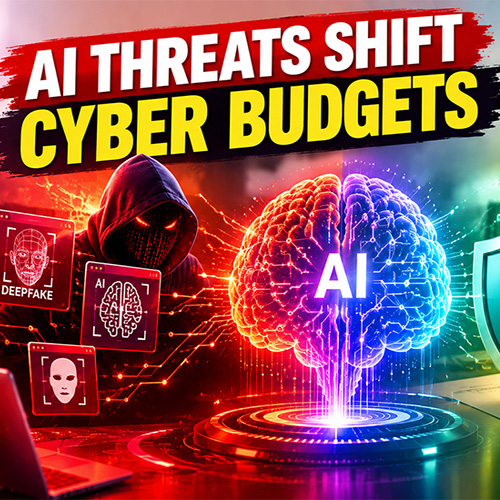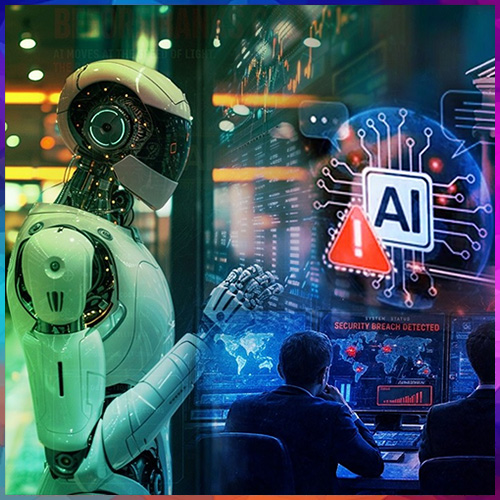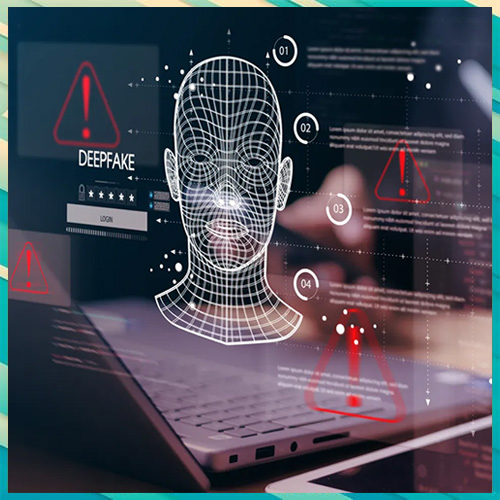
Artificial intelligence–driven deepfakes are rapidly eroding the foundation of digital trust, creating a new and dangerous category of identity-based cyber risk. As synthetic voices, cloned faces and fabricated videos become indistinguishable from reality, enterprises are losing their most basic security signal: the ability to trust what they see and hear.
“The ability to trust what we see and hear is completely wiped away,” said Jeremy Nelson, CISO for North America at Insight. “We now find ourselves completely reliant on other mechanisms to fill the gap that deepfakes have created.”
Nelson warns that core business functions such as accounts payable, HR and IT support have become primary attack vectors. Threat actors now use generative AI to impersonate executives, vendors or employees at scale, initiating fraudulent payments, manipulating onboarding workflows or tricking IT teams into granting privileged access.
Generative AI also enables attackers to produce convincing social-engineering scripts, real-time voice clones, and adaptive phishing attempts—automated and personalized to each victim. This industrialized deception allows criminals to launch hundreds of coordinated attacks simultaneously.
Nelson argues that centralized identity systems, built on static credentials and legacy databases, are ill-equipped to defend against AI-enabled impersonation. Their monolithic design creates single points of failure that attackers can exploit using deepfake-powered breaches.
To counter this, he advocates decentralized identity frameworks paired with real-time biometric verification. Similar to digital driver’s licenses issued by trusted authorities, these cryptographic identity proofs provide verification that is far stronger than human perception.
Companies like FaceOff address this rising threat through AI-native identity assurance. With multimodal biometric verification, deepfake detection engines, and real-time behavioural analysis, FaceOff ensures that every interaction is bound to a verified human—not a synthetic imposter. By combining authenticity checks, device intelligence and continuous verification, FaceOff gives enterprises a reliable shield against deepfake-driven fraud.

See What’s Next in Tech With the Fast Forward Newsletter









Tweets From @varindiamag
Nothing to see here - yet
When they Tweet, their Tweets will show up here.