
Technotainment
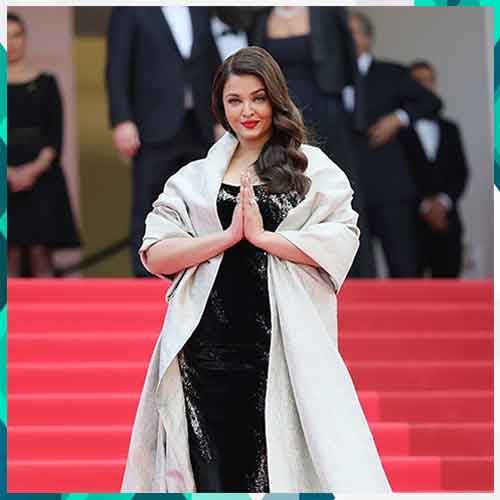
In a landmark judgment for celebrity rights and digital privacy, the Delhi High Court ruled in favor of Aishwarya Rai Bachchan, granting her relief from the unauthorized use of her name, photographs, and image through AI deepfake technology and face morphing. The court recognized that such misuse violates her personality rights, privacy, and dignity, while misleading the public into associating her with products or services she does not endorse.
Justice Tejas Karia ordered an ad interim injunction, restraining individuals and entities—including unknown parties—from exploiting her identity for financial or personal gain across all platforms and technologies, such as machine learning, AI-generated content, and deepfakes. The court emphasized that misuse of her image could not only result in reputational damage but also monetary loss and emotional distress.
Aishwarya Rai’s petition revealed that her face was being morphed into sexually explicit videos and images without consent, causing significant harm to her goodwill and personal life. The court’s order now bars such activities across digital platforms, entertainment media, advertisements, and social networks.
The judgment reinforces the importance of digital rights protection, AI ethics, and online reputation management, setting a crucial precedent for how celebrities, public figures, and influencers can safeguard themselves from emerging threats in the age of artificial intelligence and deepfake manipulation. The case has drawn attention to growing concerns over misuse of technology in media and the need for stronger legal frameworks to protect individuals in the digital era.
Justice Tejas Karia ordered an ad interim injunction, restraining individuals and entities—including unknown parties—from exploiting her identity for financial or personal gain across all platforms and technologies, such as machine learning, AI-generated content, and deepfakes. The court emphasized that misuse of her image could not only result in reputational damage but also monetary loss and emotional distress.
Aishwarya Rai’s petition revealed that her face was being morphed into sexually explicit videos and images without consent, causing significant harm to her goodwill and personal life. The court’s order now bars such activities across digital platforms, entertainment media, advertisements, and social networks.
The judgment reinforces the importance of digital rights protection, AI ethics, and online reputation management, setting a crucial precedent for how celebrities, public figures, and influencers can safeguard themselves from emerging threats in the age of artificial intelligence and deepfake manipulation. The case has drawn attention to growing concerns over misuse of technology in media and the need for stronger legal frameworks to protect individuals in the digital era.

See What’s Next in Tech With the Fast Forward Newsletter









Tweets From @varindiamag
Nothing to see here - yet
When they Tweet, their Tweets will show up here.