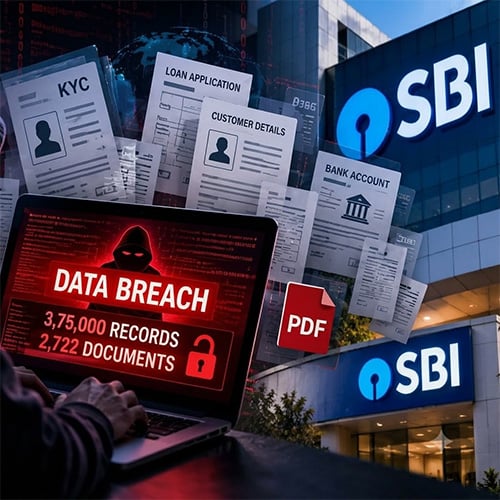

While the full plan is unclear, experts believe the attackers are trying to steal customer payment and personal data, which can be sold on the dark web.
A new and sophisticated phishing scam is exploiting fake CAPTCHAs to trick hotel staff into downloading malware, with the ultimate goal of stealing sensitive customer data. According to a recent report from ThreatDown, cybercriminals are impersonating Booking.com in emails sent to hotel employees. These emails ask staff to confirm fake bookings and contain links that redirect users to websites with what appear to be standard CAPTCHA checks.
However, once the fake CAPTCHA is completed, malware is silently installed on the system. This malware can give attackers access to internal systems, allowing them to steal customer payment details, personal information, and potentially even hotel booking databases. Experts believe that the stolen data may then be traded or sold on the dark web.
This type of phishing attack highlights the growing use of social engineering and deceptive web elements, such as fake CAPTCHAs, in cybercrime. The scam is especially dangerous because the emails closely resemble legitimate Booking.com communications, making them more convincing to unsuspecting staff members.
The attackers’ full agenda remains unclear, but the focus appears to be on identity theft and financial fraud—common goals in cybercriminal operations. These incidents underscore a broader trend of increasingly targeted attacks on businesses in the hospitality sector, where large volumes of sensitive customer data are stored.
Since customers have limited control when such company-targeted cyberattacks occur, cybersecurity experts advise users to avoid saving card details in browsers or on websites. It's also essential for businesses to train staff to recognize phishing tactics and implement multi-layered digital security protocols.
This incident further emphasizes the need for stronger digital forensics, tighter cyber hygiene practices, and greater awareness about threats like fake CAPTCHAs in phishing attacks. As cyber threats evolve, industries handling sensitive data must prioritize malware detection, fraud prevention, and staff education to stay ahead of these malicious tactics.
However, once the fake CAPTCHA is completed, malware is silently installed on the system. This malware can give attackers access to internal systems, allowing them to steal customer payment details, personal information, and potentially even hotel booking databases. Experts believe that the stolen data may then be traded or sold on the dark web.
This type of phishing attack highlights the growing use of social engineering and deceptive web elements, such as fake CAPTCHAs, in cybercrime. The scam is especially dangerous because the emails closely resemble legitimate Booking.com communications, making them more convincing to unsuspecting staff members.
The attackers’ full agenda remains unclear, but the focus appears to be on identity theft and financial fraud—common goals in cybercriminal operations. These incidents underscore a broader trend of increasingly targeted attacks on businesses in the hospitality sector, where large volumes of sensitive customer data are stored.
Since customers have limited control when such company-targeted cyberattacks occur, cybersecurity experts advise users to avoid saving card details in browsers or on websites. It's also essential for businesses to train staff to recognize phishing tactics and implement multi-layered digital security protocols.
This incident further emphasizes the need for stronger digital forensics, tighter cyber hygiene practices, and greater awareness about threats like fake CAPTCHAs in phishing attacks. As cyber threats evolve, industries handling sensitive data must prioritize malware detection, fraud prevention, and staff education to stay ahead of these malicious tactics.