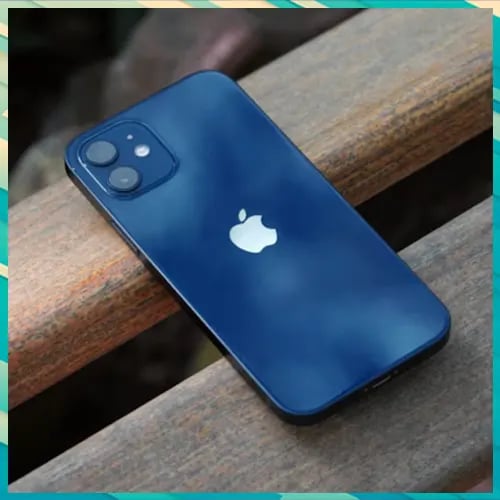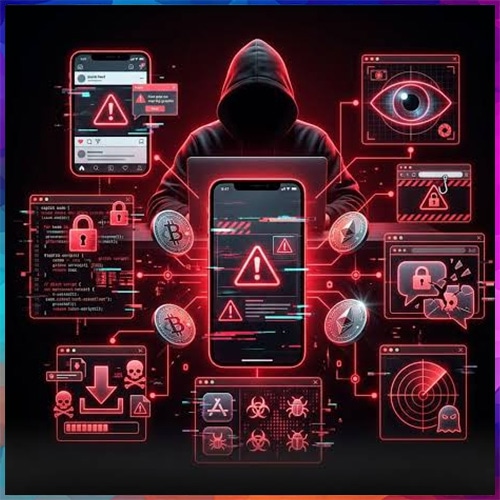
Imagine browsing your favourite news website on an iPhone. An advertisement catches your attention. You tap it, expecting to see a product, an offer, or perhaps an interesting article. The page opens normally. Nothing suspicious appears. Yet, behind the screen, your personal information could already be at risk.
This is the disturbing scenario highlighted by a reported malvertising campaign known as MoldyRoost, investigated by cybersecurity firm Confiant. The campaign allegedly demonstrates how cybercriminals can turn ordinary digital advertisements into gateways for sophisticated iPhone attacks.
Unlike traditional phishing scams that trick users into downloading malicious applications or entering passwords, these attacks can exploit vulnerabilities in outdated versions of Apple's iOS operating system.
The danger lies in their simplicity. A user may only need to tap a malicious advertisement and load a compromised webpage. If the device contains an exploitable vulnerability, malicious code could execute without further interaction.
According to the reported findings, attackers deployed more than 480 malicious advertising domains between May and November 2026, targeting users across over 47 countries, particularly in Asia.
The campaign reportedly leveraged advanced exploit frameworks, including Coruna and DarkSword, designed to compromise vulnerable iPhones through weaknesses in the operating system.
Once a device is compromised, the consequences can extend far beyond an infected browser.
Imagine losing access to cryptocurrency wallets because attackers obtained recovery phrases. Consider the exposure of private WhatsApp conversations, iMessages, photographs, saved passwords, location information, and other sensitive personal data.
For business executives, government officials, journalists, bankers, and professionals, the consequences could be even more serious. A compromised smartphone may expose confidential communications, business relationships, financial information, and sensitive documents.
What makes such attacks particularly alarming is their invisibility. Victims may continue using their iPhones normally, unaware that malicious software has accessed sensitive information.
The incident also challenges a common perception: owning an iPhone does not automatically guarantee immunity from cyberattacks. Apple's security architecture provides substantial protection, but outdated software and unpatched vulnerabilities can still expose users to sophisticated threats.
Apple regularly releases security updates to address known vulnerabilities. Users should install the latest compatible iOS version, enable automatic security updates, avoid suspicious advertisements, and consider Lockdown Mode if they face unusually high risks of targeted attacks.
Organisations must also recognise that smartphones are increasingly critical endpoints requiring strong security policies, device management, and continuous threat awareness.
The biggest cybersecurity risk is not always a suspicious application or an unknown message. Sometimes, it is an ordinary-looking advertisement on a trusted website.
As mobile attacks become more sophisticated, the message for every iPhone user is clear: a premium smartphone is not a substitute for updated software, cautious browsing, and responsible digital behaviour.