A new US indictment has exposed an alleged Iran-backed network accused of coordinating terrorist attacks across Europe using encrypted communications and live video calls. Prosecutors claim the operation demonstrates how digital platforms are increasingly being exploited to direct violence remotely, expanding the reach of state-linked militant networks.
US authorities charged three individuals, including alleged Islamic Revolutionary Guard Corps (IRGC) operative Mohsen Mohajeri, in connection with approximately 18 attacks and attempted attacks targeting Jewish and American interests across Europe.
According to prosecutors, the network targeted synagogues and other locations in Belgium, the Netherlands, and London. Investigators allege that the campaign combined ideological objectives with operational coordination, enabling individuals in different countries to execute attacks under centralized direction.
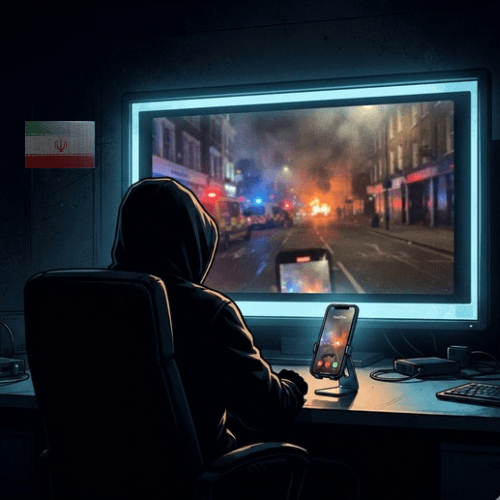
A particularly disturbing allegation involves the use of Apple's FaceTime platform to provide live instructions during April arson attacks targeting a Jewish charity and Iran International, the London-based broadcaster critical of Tehran. Prosecutors claim the attackers received remote guidance while carrying out their operations.
Investigators further allege that participants recorded attack footage for propaganda purposes, transforming violent incidents into material intended to intimidate communities and amplify the network's influence. The alleged use of consumer communication technologies illustrates how ordinary digital services can be misused for criminal coordination.
The indictment also describes an alleged plot involving a vehicle attack against RAF Fairford, a British military air base used by American bombers. Authorities say the network claimed responsibility for operations under the name HAYI, allegedly functioning as a front for coordinated militant activities.
The broader concern is the convergence of terrorism, digital communication, and remote operational control.Security agencies increasingly face threats involving decentralized attackers directed through everyday communication platforms. Counterterrorism strategies must strengthen international intelligence cooperation, lawful digital forensics, threat detection, and evidence preservation while protecting legitimate communications and civil liberties. Importantly, these allegations remain subject to judicial scrutiny, and the defendants are presumed innocent unless proven guilty.